Skip to content
Free nationwide delivery Β· Cash on Delivery availableFree delivery Β· COD
DealsAboutContact Orders
wellmart
All products All categories All brands All ingredients
Sign in
HomeShopIngredientsBerberine Hydrochloride Hcl

Filters

Filters

Category

  • All categories
  • No matches.

Brand

  • No matches.

Max price: any

Availability

Berberine Hydrochloride Hcl

3 products

Sort
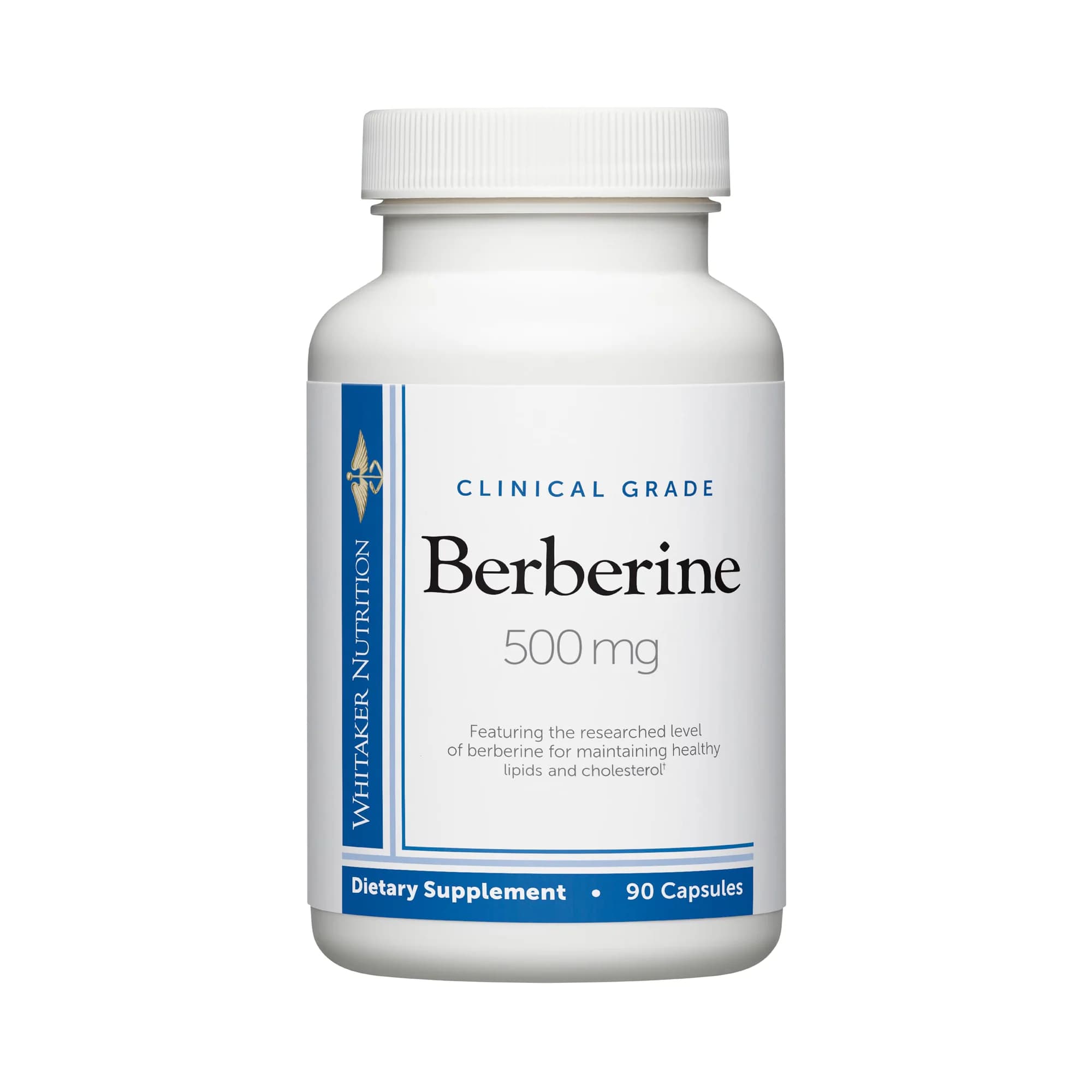
Dr. Whitaker Clinical Grade Berberine Capsules
-7%
Dr. Whitaker

Dr. Whitaker Clinical Grade Berberine Capsules

Rs 7,900Rs 8,500
View Product
SMS Health Products Premium Berberine+ with Ceylon Cinnamon Vegan Capsules
-6%
SMS Health Products

SMS Health Products Premium Berberine+ with Ceylon Cinnamon Vegan Capsules

Rs 8,000Rs 8,500
View Product
Integrative Therapeutics Berberine 500 mg Capsules
-4%
Integrative Therapeutics

Integrative Therapeutics Berberine 500 mg Capsules

Rs 12,000Rs 12,500
View Product
Deep dive

About Berberine Hydrochloride HCL

Everything you need to know about this ingredient β€” sourced from our editorial team and the brands we work with.

About this ingredient

Berberine Hydrochloride (HCl) is a commonly used supplemental form of berberine, a naturally occurring plant alkaloid found in plants such as Berberis species, goldenseal (Hydrastis canadensis), and Oregon grape (Mahonia aquifolium). The hydrochloride form is used in supplement formulations to provide berberine in a defined chemical form.

Berberine has been researched for its potential effects on glucose metabolism, blood lipid levels, and other aspects of metabolic health. Some clinical studies suggest possible benefits for blood glucose and cholesterol-related markers, but results vary, and study quality, dosage, and individual health conditions can affect outcomes. Research on berberine HCl should not be interpreted as proof that every supplement will provide the same results.

Berberine HCl is commonly found in capsules, tablets, and other dietary supplement formulations. It may be marketed for metabolic wellness, but it is not a substitute for prescribed treatment for diabetes, high cholesterol, or other medical conditions.

Possible side effects include nausea, abdominal discomfort, constipation, and diarrhea. Berberine may interact with prescription medicines, including glucose-lowering drugs and certain medicines metabolized by the liver. It is generally not recommended during pregnancy or breastfeeding, and it should not be given to infants without specialist medical direction.

When choosing Berberine Hydrochloride supplements in Pakistan, review the amount per serving, complete ingredient list, manufacturer details, batch information, expiry date, and quality-testing documentation. Consult a qualified healthcare professional before use if you have a medical condition or take medication.

Health benefits

  • βœ“πŸŒΏ Plant-derived alkaloid studied for metabolic health
  • βœ“πŸ”¬ Researched for effects on glucose metabolism
  • βœ“πŸ§ͺ Investigated for potential effects on cholesterol and triglycerides
  • βœ“πŸ“š Provides an option for learning about berberine formulations
  • βœ“πŸ’Š Available in standardized supplement forms
  • βœ“πŸ›’ Helps consumers compare berberine supplements in Pakistan

Common uses

  1. 1πŸ’Š Used as an ingredient in dietary supplements
  2. 2🌿 Formulated in capsules and tablets
  3. 3πŸ”¬ Studied for potential effects on glucose metabolism
  4. 4πŸ§ͺ Researched for effects on blood lipid measurements
  5. 5πŸ“‹ Used in metabolic-health research
  6. 6πŸ›’ Compared by consumers researching supplements in Pakistan

How it works

Berberine has been studied for its influence on several metabolic and cellular pathways. Glucose metabolism: Research suggests berberine may influence pathways involved in how the body processes glucose. Cellular signaling: Scientists have investigated its effects on AMP-activated protein kinase (AMPK) and other signaling pathways. Lipid metabolism: Some clinical studies have explored possible effects on blood lipid measurements, including cholesterol and triglycerides. Gut-related effects: Berberine may influence intestinal processes and the gut microbiome, although the clinical significance is still being investigated. Research findings vary according to the population, dose, formulation, and study design. Berberine is not a replacement for prescribed medication or a substitute for professional medical care.

Recommended for

  • β™₯Adults researching berberine and metabolic health.
  • β™₯Adults interested in learning about ingredients studied for glucose and lipid metabolism.
  • β™₯Consumers comparing berberine supplements and their formulations.
  • β™₯Adults considering berberine only after reviewing potential interactions with a healthcare professional.
  • β™₯Berberine is not appropriate for everyone. It should not be given to infants or children without specialist medical direction. Pregnant or breastfeeding individuals should avoid berberine supplements. People with diabetes, liver or kidney conditions, or those taking prescription medicines should consult a qualified healthcare professional before use.

Scientific information

Common Name: Berberine Hydrochloride Abbreviation: Berberine HCl Compound Type: Plant-derived isoquinoline alkaloid salt Parent Compound: Berberine Common Botanical Sources: Berberis species, including barberry; other berberine-containing plants include goldenseal and Oregon grape Chemical Formula: Cβ‚‚β‚€Hβ‚β‚ˆNOβ‚„Cl for anhydrous berberine hydrochloride Molecular Weight: Approximately 371.81 g/mol for the anhydrous form Common Product Forms: Capsules, tablets, and powdered supplement ingredients Research Areas: Glucose metabolism, lipid metabolism, cellular signaling, and gastrointestinal processes Evidence Level: Human studies exist, but findings vary; more high-quality research is needed to establish reliable benefits and long-term safety for specific uses.

Safety information

Berberine can interact with prescription medicines and may alter how certain drugs are processed by the body. People taking diabetes medication should seek medical advice because combining glucose-lowering treatments may increase the risk of low blood sugar. Berberine may interact with medicines affected by liver enzymes or drug transporters, including some transplant medicines. Avoid berberine supplements during pregnancy and breastfeeding. Berberine should not be given to newborns or infants because of concerns involving bilirubin metabolism and the risk of serious complications. People with liver or kidney disease should consult a healthcare professional before use. Do not replace prescribed diabetes, cholesterol, or other medication with berberine. Follow the product label and avoid combining multiple products containing berberine without professional advice. Choose supplements with clear ingredient amounts, manufacturer information, batch details, and expiry dates.

Possible side effects

  • !Possible side effects of berberine hydrochloride include:
  • !Diarrhea
  • !Constipation
  • !Nausea
  • !Abdominal discomfort or bloating
  • !Stomach cramps
  • !Possible low blood sugar when combined with glucose-lowering medicines
  • !Drug interactions that may increase side effects or change medication levels
  • !Side effects may vary with dose, formulation, and individual sensitivity. Seek medical advice if symptoms persist. Severe symptoms, fainting, or signs of dangerously low blood sugar require prompt medical attention.

More about this ingredient

Berberine Hydrochloride HCl is a widely discussed supplement ingredient made from berberine, a naturally occurring alkaloid found in several plants, including barberry. Berberine supplements are researched for their potential effects on glucose metabolism, cholesterol levels, triglycerides, and other metabolic processes. People searching for berberine HCl benefits often want to understand its uses, dosage, safety, and possible role in blood sugar management. Although some human studies have reported improvements in selected metabolic measurements, results are not uniform, and more high-quality research is needed. Berberine should not be treated as a proven replacement for diabetes medication or prescribed cholesterol treatment. Berberine HCl may cause digestive side effects and can interact with various medicines. People taking medication for diabetes, blood pressure, cholesterol, or other conditions should consult a healthcare professional before considering supplementation. It should be avoided during pregnancy and breastfeeding and must not be given to newborns or infants. When shopping for berberine hydrochloride supplements in Pakistan, check the amount per serving, the full ingredient list, manufacturer details, expiry date, and available quality-testing information. Confirm that the label identifies berberine HCl clearly and does not make unsupported promises about curing diseases or guaranteeing weight loss. Wellmart.pk provides educational ingredient information to help consumers make informed choices when exploring supplements in Pakistan. Always consider product quality, personal health circumstances, and professional advice before starting a new supplement.
Got questions?

Frequently asked questions

What is Berberine Hydrochloride HCl?

Berberine HCl is the hydrochloride salt form of berberine, a plant-derived alkaloid used in dietary supplements.

What is berberine found in naturally?

Berberine occurs in several plants, including Berberis species, goldenseal, and Oregon grape.

What are the potential benefits of berberine HCl?

Research has investigated berberine for possible effects on glucose metabolism and blood lipid measurements. Results vary, and it is not a substitute for medical treatment.

How does berberine work?

Berberine may influence cellular signaling and metabolic pathways, including pathways involved in glucose and lipid metabolism. Its effects in humans require further research.

Is berberine HCl the same as berberine?

Berberine is the active alkaloid, while berberine HCl is its hydrochloride salt form commonly used in supplement formulations.

Can berberine help manage blood sugar?

Some clinical studies suggest berberine may affect blood glucose measurements, but evidence is variable. People with diabetes should consult their healthcare professional and must not replace prescribed treatment with supplements.

Can berberine lower cholesterol?

Some studies have investigated possible effects on cholesterol and triglycerides. It should not replace prescribed cholesterol medication, and individual results may vary.

Is berberine used for weight loss?

Berberine is marketed for metabolic health, but evidence that it reliably produces meaningful weight loss is limited. It should not be considered a guaranteed weight-loss supplement.

What is the recommended dosage of berberine HCl?

There is no universally appropriate dose for everyone. Follow the specific product label and consult a healthcare professional, especially if you take medication.

What are the side effects of berberine?

Commonly reported side effects include nausea, diarrhea, constipation, abdominal discomfort, and bloating.

Can berberine cause low blood sugar?

It may contribute to low blood sugar, particularly when combined with diabetes medicines. Medical guidance is important before use.

Can berberine interact with medications?

Yes. Berberine may affect how the body processes certain medicines. Ask a pharmacist or healthcare professional to review your medications before use.

Is berberine safe during pregnancy?

Berberine supplements should be avoided during pregnancy because of potential risks and insufficient safety evidence.
wellmart

Collections

    Help Desk

      Newsletter

      Get early access to drops & deals.

      Β© 2026 Wellmart.