Skip to content
Free nationwide delivery Β· Cash on Delivery availableFree delivery Β· COD
DealsAboutContact Orders
wellmart
All products All categories All brands All ingredients
Sign in
HomeShopIngredientsCaffeoylquinic Acid As Cynarin

Filters

Filters

Category

  • All categories
  • No matches.

Brand

  • No matches.

Max price: any

Availability

Caffeoylquinic Acid As Cynarin

1 product

Sort
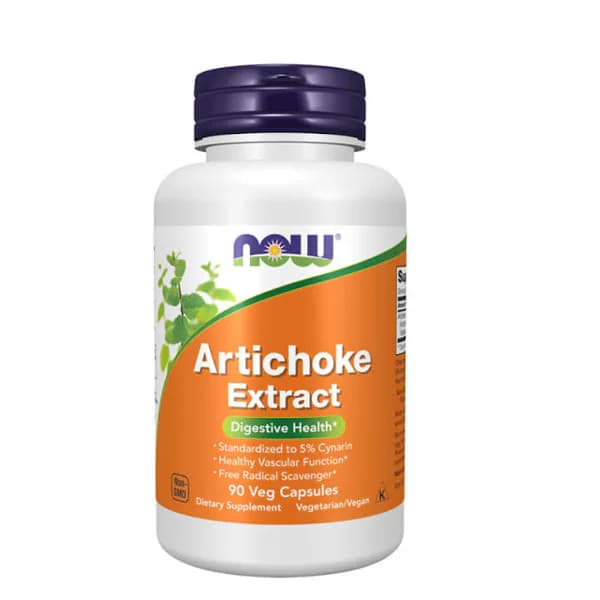
NOW Foods Artichoke Extract 90 Veg Capsules
-9%
NOW Foods

NOW Foods Artichoke Extract 90 Veg Capsules

Rs 7,300Rs 8,000
View Product
Deep dive

About Caffeoylquinic Acid (as Cynarin)

Everything you need to know about this ingredient β€” sourced from our editorial team and the brands we work with.

About this ingredient

Caffeoylquinic acids are naturally occurring phenolic compounds found in many plants. Cynarin is one of the best-known caffeoylquinic-acid constituents associated with artichoke (Cynara scolymus), particularly its leaves.

Artichoke leaf extracts contain several caffeoylquinic acids, including compounds related to chlorogenic acid and cynarin, along with flavonoids and other botanical constituents. These compounds contribute to the biological activity and chemical profile of artichoke extracts.

Research has investigated artichoke-derived caffeoylquinic acids for antioxidant activity, digestive wellness and lipid metabolism, including research involving cholesterol and triglyceride pathways. However, evidence for a specific health effect depends on the complete extract, standardization, dose, and study population. Cynarin should therefore not be considered equivalent to an entire artichoke extract.

Health benefits

  • βœ“πŸŒΏ Provides plant-derived phenolic compounds
  • βœ“πŸ›‘οΈ Studied for antioxidant activity
  • βœ“πŸƒ Associated with artichoke-based botanical supplements
  • βœ“πŸ”¬ Investigated for potential effects on lipid metabolism
  • βœ“πŸ§ͺ Studied for possible roles in bile-related digestive processes

Common uses

  1. 1🌿 Used as an ingredient in artichoke-derived supplements
  2. 2πŸ’Š Included in selected botanical formulations
  3. 3πŸ§ͺ Studied in antioxidant research
  4. 4πŸ”¬ Investigated in research on lipid metabolism
  5. 5πŸ“‹ Used as a marker or target compound in some artichoke extract formulations

How it works

Cynarin and related caffeoylquinic acids may act as antioxidants by helping neutralize reactive molecules under certain conditions. Researchers have also investigated their potential influence on pathways involved in bile production, fat digestion, cholesterol metabolism, and cellular responses to oxidative stress. Some observed effects come from laboratory or animal studies, while human research often examines whole artichoke extracts containing multiple compounds. Therefore, the effects of isolated cynarin cannot automatically be assumed to match those of an artichoke extract, and its benefits for specific health conditions remain uncertain.

Recommended for

  • β™₯Adults interested in learning about plant-derived antioxidant compounds, artichoke-based supplements, and ingredients used in botanical wellness products may find this information useful. Individuals considering cynarin supplements for digestive or cholesterol-related concerns should consult a healthcare professional first. People with gallstones, bile duct obstruction, liver or gallbladder conditions, plant allergies, or regular medication use should seek medical advice before using these products.

Scientific information

Caffeoylquinic acids are phenolic compounds formed from caffeic acid and quinic acid. Cynarin is commonly described as 1,3-dicaffeoylquinic acid and is associated particularly with artichoke extracts. This compound family has been investigated for antioxidant activity and possible effects on lipid metabolism, bile-related processes, and inflammatory pathways. However, the amount and composition of these compounds can vary with the plant material, extraction method, and product formulation. Research on artichoke leaf extracts cannot always establish the effects of purified cynarin, and further well-designed human studies are needed to confirm its effectiveness, appropriate dosage, and long-term safety for specific health outcomes.

Safety information

Cynarin-containing supplements may not be suitable for everyone. People with gallstones, bile duct obstruction, or other gallbladder and bile flow disorders should consult a healthcare professional before use because artichoke-derived products may affect bile-related processes. Individuals allergic to artichoke or related plants in the Asteraceae family should exercise caution. Pregnant or breastfeeding individuals should avoid using concentrated supplements unless advised by a qualified healthcare professional, as safety data are limited. People taking prescription medicines or managing a chronic condition should review the product with a healthcare professional before starting it. Always follow the manufacturer's directions and avoid treating a supplement as a replacement for prescribed therapy.

Possible side effects

  • !Possible side effects of artichoke-derived supplements containing cynarin or related compounds include stomach discomfort, nausea, bloating, diarrhea, and allergic reactions. The likelihood of side effects may depend on the extract, concentration, amount consumed, and individual sensitivity. People with allergies to related plants may experience itching, rash, or other allergic symptoms. Seek medical attention for severe allergic reactions, persistent digestive symptoms, or unusual symptoms after starting a supplement.

More about this ingredient

Caffeoylquinic acid as cynarin is a plant-derived ingredient associated with artichoke extracts and botanical supplements. It is studied for its antioxidant properties and possible roles in digestive and metabolic health. For consumers exploring supplements in Pakistan, understanding the difference between isolated cynarin and whole artichoke extract is important because their composition and evidence may differ. Supplement labels may describe the ingredient as cynarin, dicaffeoylquinic acid, or an artichoke extract standardized to certain plant compounds. Check the ingredient list, standardization details, dosage instructions, and manufacturer information before choosing a product. Wellmart.pk provides ingredient information to help consumers make informed wellness decisions. Consult a qualified healthcare professional before using cynarin supplements for a medical condition.
Got questions?

Frequently asked questions

What is caffeoylquinic acid as cynarin?

It refers to a plant-derived phenolic compound associated with artichoke extracts. Cynarin is commonly identified as 1,3-dicaffeoylquinic acid.

What is cynarin?

Cynarin is a naturally occurring compound found in artichoke and studied for its antioxidant and potential metabolic properties.

Is cynarin found in artichokes?

Yes. Cynarin is associated with artichoke (Cynara scolymus), particularly in artichoke-derived preparations.

What are caffeoylquinic acids?

They are a family of plant phenolic compounds formed from caffeic acid and quinic acid.

What are the potential benefits of cynarin?

Cynarin has been studied for antioxidant activity and possible effects on lipid metabolism and bile-related processes, but clinical benefits are not firmly established.

Does cynarin have antioxidant properties?

Laboratory research suggests antioxidant activity, but the extent of any benefit in humans depends on the compound, formulation, and amount consumed.

Can cynarin support digestion?

Artichoke preparations have been studied for digestive effects. Evidence for isolated cynarin alone is limited, so it should not be considered a proven digestive treatment.

Can cynarin help manage cholesterol?

Artichoke extracts have been investigated for effects on blood lipids, but findings cannot automatically be attributed to isolated cynarin. Consult a healthcare professional for cholesterol management.

Is cynarin the same as artichoke extract?

No. Cynarin is a specific compound, whereas artichoke extract contains a mixture of plant compounds.

Is cynarin the same as chlorogenic acid?

No. Both belong to the caffeoylquinic acid family, but they have different chemical structures.

How does cynarin work?

It is studied for antioxidant effects and possible influence on pathways related to lipid metabolism and bile production. Its effects in humans remain under investigation.

What is the scientific evidence for cynarin?

It is studied for antioxidant effects and possible influence on pathways related to lipid metabolism and bile production. Its effects in humans remain under investigation.

What is the scientific evidence for cynarin?

Research includes laboratory, animal, and studies of artichoke extracts in humans. More research is needed to confirm the specific effects of isolated cynarin.

Who should avoid cynarin supplements?

People with bile duct obstruction, certain gallbladder conditions, or allergies to artichoke and related plants should seek medical advice before use.

Can cynarin affect the gallbladder?

Artichoke-derived products may affect bile-related processes. People with gallstones or gallbladder disease should consult a healthcare professional before taking them.
wellmart

Collections

    Help Desk

      Newsletter

      Get early access to drops & deals.

      Β© 2026 Wellmart.