Skip to content
Free nationwide delivery Β· Cash on Delivery availableFree delivery Β· COD
DealsAboutContact Orders
wellmart
All products All categories All brands All ingredients
Sign in
HomeShopIngredientsCalcium Carbonate

Filters

Filters

Category

  • All categories
  • No matches.

Brand

  • No matches.

Max price: any

Availability

Calcium Carbonate

4 products

Sort
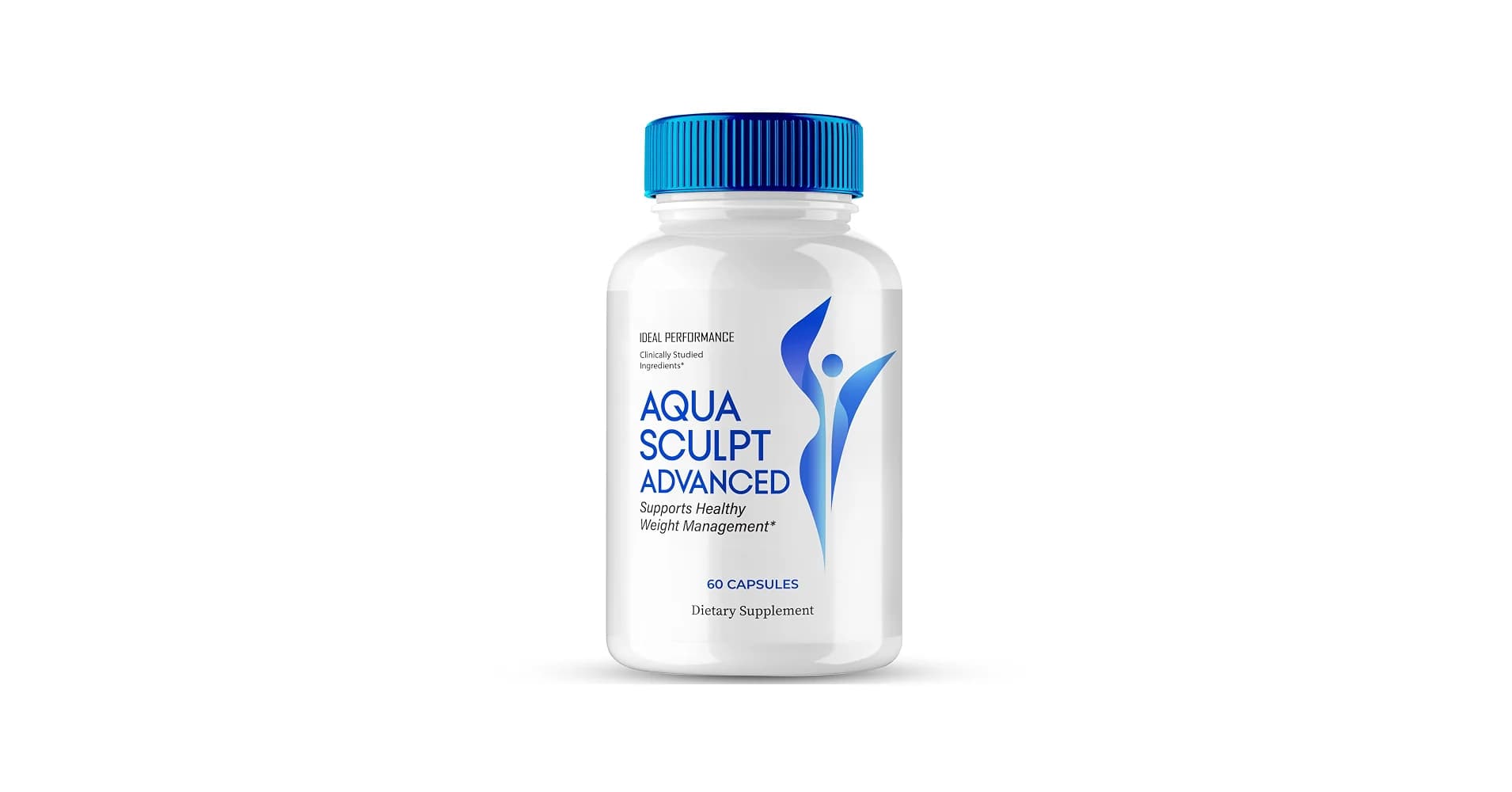
Gold Nutra Aqua Sculpt Max+ Capsules
-5%
Gold Nutra

Gold Nutra Aqua Sculpt Max+ Capsules

Rs 9,500Rs 10,000
View Product
IDEAL PERFORMANCE  Metabolyn  Maximum Strength Capsules
-5%
Ideal Performance

IDEAL PERFORMANCE Metabolyn Maximum Strength Capsules

Rs 9,500Rs 10,000
View Product
Vitamatic Caffeine & L-Theanine Tablets
-8%
Vitamatic

Vitamatic Caffeine & L-Theanine Tablets

Rs 7,800Rs 8,500
View Product
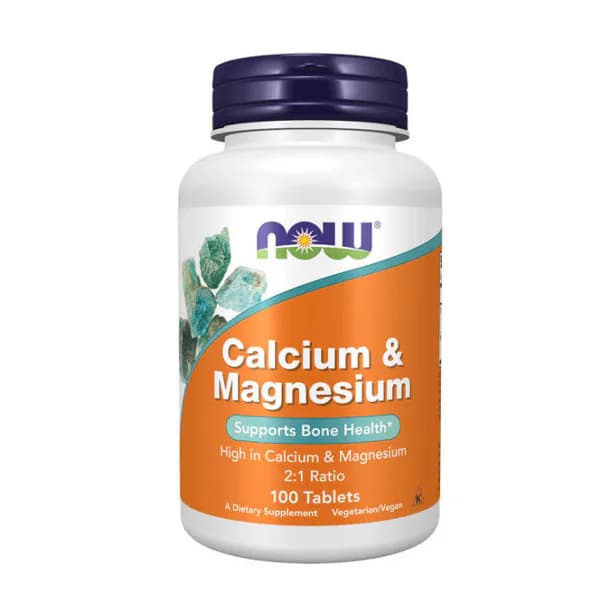
NOW Foods Calcium, Magnesium Tablets
-25%
(1)
NOW Foods

NOW Foods Calcium, Magnesium Tablets

Rs 6,000Rs 8,000
View Product
Deep dive

About Calcium Carbonate

Everything you need to know about this ingredient β€” sourced from our editorial team and the brands we work with.

About this ingredient

Calcium Carbonate is an inorganic calcium salt with the chemical formula CaCO₃. It occurs naturally in materials such as limestone, chalk and marble and is widely used as a source of calcium in nutritional supplements.

In dietary supplements, Calcium Carbonate is valued because it contains a relatively high percentage of elemental calcium by weight. Approximately 40% of Calcium Carbonate's weight is elemental calcium. The remainder consists primarily of carbonate.

Calcium is essential for maintaining normal bones and teeth and plays important roles in muscle contraction, nerve transmission, blood clotting and cellular signaling.

Calcium Carbonate is commonly used in tablets, chewable supplements, powders and calcium-containing multivitamins. It is generally recommended to take Calcium Carbonate with food, because stomach acid helps dissolve the compound and facilitate calcium absorption.

Health benefits

  • βœ“πŸ¦΄ Helps maintain normal bones
  • βœ“πŸ¦· Supports healthy teeth
  • βœ“πŸ’ͺ Contributes to normal muscle function
  • βœ“πŸ§  Supports nerve signaling
  • βœ“πŸ©Έ Helps normal blood clotting
  • βœ“πŸ₯› Helps meet calcium requirements when dietary intake is insufficient
  • βœ“πŸ”₯ Neutralizes stomach acid when used in approved antacid products

Common uses

  1. 1πŸ’Š Used in calcium dietary supplements
  2. 2🦴 Included in bone-health formulations
  3. 3πŸ₯› Used to help address inadequate calcium intake
  4. 4πŸ”₯ Used as an active ingredient in some antacid medicines
  5. 5πŸ§ͺ Used as a source of elemental calcium in mineral products
  6. 6πŸ“‹ Included in selected multivitamin and mineral formulas

How it works

Calcium carbonate supplies calcium, which the body uses to maintain bones and teeth, support muscle contraction, transmit nerve signals, and assist normal blood clotting. When consumed, stomach acid helps dissolve calcium carbonate so calcium can be absorbed through the digestive tract. Taking it with food generally improves absorption because stomach acid is available during digestion. In antacid products, calcium carbonate reacts with stomach acid and neutralizes some of the acid, providing temporary relief from heartburn and indigestion. The amount needed for supplementation varies according to dietary calcium intake and individual requirements.

Recommended for

  • β™₯Calcium carbonate supplements may be appropriate for adults who do not get enough calcium from food, people with increased calcium requirements, and individuals advised by a healthcare professional to supplement calcium for bone health. Some products may be recommended for older adults or people at risk of inadequate calcium intake. Children should only receive supplements appropriate for their age and under suitable guidance. People with kidney disease, a history of kidney stones, high blood calcium, or conditions affecting calcium metabolism should consult a healthcare professional before using calcium supplements. Individuals using calcium carbonate as an antacid should follow the product label and seek medical advice if symptoms are frequent or persistent.

Scientific information

Calcium carbonate has the chemical formula CaCO₃ and contains approximately 40% elemental calcium by weight. This means a product containing 1,250 mg of calcium carbonate provides approximately 500 mg of elemental calcium, although the actual amount should always be confirmed on the supplement label. Calcium is a major component of bone mineral and is essential for skeletal structure, muscle contraction, nerve function, and several cellular processes. Calcium carbonate is widely used in supplements because it provides a relatively concentrated amount of calcium. Its absorption depends on factors such as stomach acidity, food intake, dosage, and individual health. Scientific evidence supports calcium's essential role in maintaining normal bone health, but the benefits of supplementation depend on whether a person needs additional calcium. More calcium is not necessarily better, and supplementation should be tailored to individual requirements.

Safety information

Calcium carbonate is generally well tolerated when used appropriately, but excessive intake can cause problems. People with kidney disease, elevated blood calcium, a history of kidney stones, or disorders affecting calcium regulation should consult a healthcare professional before taking it. Calcium supplements can interfere with the absorption of certain medicines, including levothyroxine, some antibiotics such as tetracyclines and fluoroquinolones, and bisphosphonates; the required separation time varies by medication, so follow the medicine instructions or ask a pharmacist. People taking iron supplements may also need to separate doses. Take calcium carbonate supplements according to the product label, preferably with food, and consider calcium obtained from the diet when calculating total intake. Do not use antacid products for prolonged periods or recurring symptoms without medical advice.

Possible side effects

  • !Possible side effects of calcium carbonate include constipation, gas, bloating, nausea, and abdominal discomfort. These effects may be more likely with higher doses. Excessive calcium intake can contribute to high blood calcium levels and, in some cases, kidney stone formation or kidney problems. Symptoms of significantly elevated calcium may include unusual thirst, frequent urination, weakness, nausea, confusion, or persistent constipation. Seek medical attention if severe or unusual symptoms occur. Allergic reactions are uncommon but require prompt care if they involve difficulty breathing or swelling of the face or throat.

More about this ingredient

Calcium carbonate is a widely used calcium ingredient found in bone-health supplements, mineral formulas, and certain antacid medicines. It provides elemental calcium, which supports normal bones and teeth, muscle function, nerve signaling, and blood clotting. For people researching supplements in Pakistan, calcium carbonate may be an option when dietary calcium intake is insufficient or a healthcare professional recommends supplementation. Because calcium carbonate contains approximately 40% elemental calcium, it is important to distinguish the amount of calcium carbonate from the actual amount of calcium provided. Taking it with food can help absorption, while excessive intake may increase the risk of constipation and other unwanted effects. Before choosing a calcium supplement, review the elemental calcium amount, serving size, additional ingredients, and usage instructions. People with kidney conditions, kidney stones, or medicines that interact with calcium should seek professional advice. Wellmart.pk offers ingredient information to help consumers understand supplement labels and make informed choices.
Got questions?

Frequently asked questions

What is calcium carbonate?

Calcium carbonate is a mineral compound used as a source of calcium in dietary supplements and as an active ingredient in some antacid medicines.

What are the main benefits of calcium carbonate?

It provides calcium needed for normal bones, teeth, muscle function, nerve signaling, and blood clotting.

Is calcium carbonate good for bones?

Calcium is essential for bone health. Calcium carbonate can help provide calcium when dietary intake is insufficient, but supplementation needs vary by individual.

Does calcium carbonate strengthen teeth?

Calcium is an important component of teeth. Adequate calcium intake supports normal dental mineralization, although supplements do not replace proper dental care.

How much elemental calcium does calcium carbonate contain?

Calcium carbonate contains approximately 40% elemental calcium by weight. Check the product label to determine the actual amount provided per serving.

Is calcium carbonate the same as calcium?

No. Calcium carbonate is a compound that contains calcium. Elemental calcium refers to the amount of calcium supplied by that compound.

Should calcium carbonate be taken with food?

Generally, yes. Calcium carbonate is usually better absorbed when taken with food because stomach acid helps dissolve it.

Can calcium carbonate help with heartburn?

Yes. In antacid products, calcium carbonate neutralizes stomach acid and can provide temporary relief from heartburn and acid indigestion.

Is calcium carbonate a supplement or a medicine?

It can be either. It is used in dietary supplements to provide calcium and in certain medicines as an antacid.

What is the chemical formula of calcium carbonate?

Its chemical formula is CaCO₃.

Who may need calcium carbonate supplements?

People who do not get enough calcium from food or have been advised by a healthcare professional to supplement calcium may benefit from it.

Can calcium carbonate be taken daily?

Daily use may be appropriate when needed, but the amount should reflect dietary intake, age, health status, and professional advice.

What are the side effects of calcium carbonate?

Possible side effects include constipation, gas, bloating, nausea, and abdominal discomfort. Excessive intake may cause more serious problems.

Can calcium carbonate cause constipation?

Yes. Constipation is a known side effect, particularly at higher supplemental doses.

Can calcium carbonate cause kidney stones?

Excessive calcium intake may increase kidney stone risk in some circumstances. People with a history of kidney stones should consult a healthcare professional before supplementing.
wellmart

Collections

    Help Desk

      Newsletter

      Get early access to drops & deals.

      Β© 2026 Wellmart.