Skip to content
Free nationwide delivery · Cash on Delivery availableFree delivery · COD
DealsAboutContact Orders
wellmart
All products All categories All brands All ingredients
Sign in
HomeShopIngredientsCalcium Citrate

Filters

Filters

Category

  • All categories
  • No matches.

Brand

  • No matches.

Max price: any

Availability

Calcium Citrate

6 products

Sort
Metagenics Magnesium Citrate 120 Tablets
-15%
Metagenics

Metagenics Magnesium Citrate 120 Tablets

Rs 8,500Rs 10,000
View Product
21st Century  Calcium Citrate + D3 Maximum Tablets
-11%
21st Century

21st Century Calcium Citrate + D3 Maximum Tablets

Rs 4,900Rs 5,500
View Product
TATA 1mg Calcium & Vitamin D3  Tablets
-10%
TATA 1mg

TATA 1mg Calcium & Vitamin D3 Tablets

Rs 4,500Rs 5,000
View Product
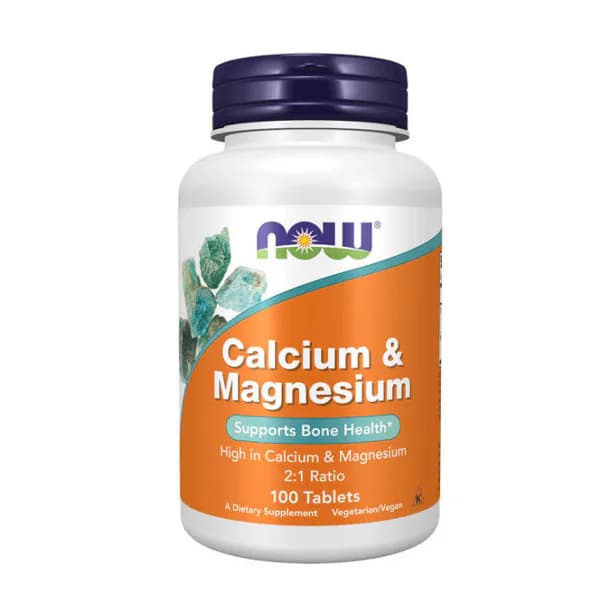
NOW Foods Calcium, Magnesium Tablets
-25%
(1)
NOW Foods

NOW Foods Calcium, Magnesium Tablets

Rs 6,000Rs 8,000
View Product
21st Century Calcium Citrate+ D3 Maximum Tablets
-29%
21st Century

21st Century Calcium Citrate+ D3 Maximum Tablets

Rs 5,000Rs 7,000
View Product
Bariatric Advantage Non Chewable Calcium Citrate Tablets
-7%
Bariatric Advantage

Bariatric Advantage Non Chewable Calcium Citrate Tablets

Rs 13,000Rs 14,000
View Product
Deep dive

About Calcium Citrate

Everything you need to know about this ingredient — sourced from our editorial team and the brands we work with.

About this ingredient

Calcium Citrate is an organic calcium salt formed from calcium and citric acid. It is commonly used in dietary supplements as a source of elemental calcium.

Calcium is an essential mineral that provides structural support for bones and teeth and is also involved in normal muscle contraction, nerve transmission, blood clotting and cellular signaling.

One important characteristic of Calcium Citrate is that its absorption is less dependent on stomach acid than Calcium Carbonate. For this reason, it is often selected for calcium formulations intended for people who may have lower stomach-acid production or who prefer to take calcium without meals.

Calcium Citrate contains less elemental calcium by weight than Calcium Carbonate, so the amount of elemental calcium—not simply the total weight of Calcium Citrate—is important when comparing supplement labels.

Health benefits

  • ✓🦴 Supports normal bone health
  • ✓🦷 Helps maintain healthy teeth
  • ✓💪 Contributes to normal muscle function
  • ✓🧠 Supports nerve signaling
  • ✓🩸 Helps normal blood clotting
  • ✓🥛 Helps meet calcium needs when dietary intake is insufficient
  • ✓🍽️ Can generally be taken with or without food

Common uses

  1. 1💊 Used in calcium dietary supplements
  2. 2🦴 Included in bone-health formulas
  3. 3🥛 Used to help address inadequate calcium intake
  4. 4🧪 Provides elemental calcium in mineral supplements
  5. 5👵 Included in some nutritional formulas for adults and older people
  6. 6📋 Combined with vitamin D in selected supplement products

How it works

Calcium citrate provides calcium that the body absorbs through the digestive tract and uses for several essential functions. Most of the body's calcium is stored in bones and teeth, while smaller amounts circulate in the blood and help regulate muscle contraction, nerve transmission, and blood clotting. Calcium citrate dissolves relatively well and does not rely as heavily on stomach acid for absorption as calcium carbonate, so it can generally be taken with or without food. The body regulates calcium absorption according to its needs, vitamin D status, age, and other factors. Supplementation may help when food does not provide enough calcium, but taking more than required does not necessarily improve bone health.

Recommended for

  • ♥Calcium citrate may be suitable for adults who do not obtain enough calcium from their diet or have been advised by a healthcare professional to supplement calcium. It may also be considered for people with reduced stomach acid or those taking acid-reducing medicines, depending on their individual circumstances. Older adults and people with increased calcium requirements may need an assessment of their dietary intake. Children should only use age-appropriate products under suitable guidance. People with kidney disease, high blood calcium, a history of kidney stones, or conditions affecting calcium metabolism should consult a healthcare professional before use. Pregnant or breastfeeding individuals should discuss their total calcium needs with a qualified healthcare professional.

Scientific information

Calcium citrate is a calcium salt of citric acid and is used as a source of elemental calcium in nutritional supplements. Depending on its chemical form and hydration state, it commonly contains approximately 21% to 24% elemental calcium by weight. This is lower than calcium carbonate, which contains about 40% elemental calcium, so the amount of calcium citrate listed on a label is not necessarily the same as the amount of elemental calcium supplied. Calcium is essential for bone mineralization, skeletal maintenance, muscle contraction, nerve transmission, and normal blood clotting. Calcium citrate is generally less dependent on stomach acidity for absorption than calcium carbonate and can usually be taken without food. The benefit of supplementation depends on a person's calcium intake, vitamin D status, age, and overall health. Adequate calcium intake supports normal bone health, but supplements alone cannot guarantee the prevention or treatment of osteoporosis.

Safety information

Calcium citrate is generally well tolerated when taken in appropriate amounts, but excessive calcium intake can cause health problems. People with kidney disease, elevated blood calcium, a history of kidney stones, or disorders that affect calcium regulation should seek medical advice before using it. Calcium can reduce the absorption of certain medicines, including levothyroxine, some antibiotics, and bisphosphonates. The required interval between calcium and these medicines depends on the specific product, so follow the medicine label or consult a pharmacist. People taking iron supplements may also need to separate their doses. Check the elemental calcium amount on the label and account for calcium obtained from food and other supplements. Pregnant or breastfeeding individuals and anyone taking regular medication should discuss supplementation with a healthcare professional when appropriate.

Possible side effects

  • !Possible side effects of calcium citrate include constipation, nausea, gas, bloating, and abdominal discomfort. Side effects may vary according to the dose, formulation, and individual tolerance. Excessive calcium intake can lead to high blood calcium levels and may contribute to kidney problems or kidney stone formation in susceptible individuals. Warning signs of significantly elevated calcium may include unusual thirst, frequent urination, weakness, nausea, confusion, or persistent constipation. Seek medical advice if symptoms are severe, persistent, or unusual, and obtain urgent medical care for serious symptoms.

More about this ingredient

Calcium citrate is a popular ingredient in calcium supplements designed to help support normal bone and dental health. It provides calcium, an essential mineral required for bone structure, muscle function, nerve signaling, and blood clotting. For consumers researching supplements in Pakistan, calcium citrate may be an option when dietary calcium intake is insufficient or supplementation is recommended by a healthcare professional. One important feature of calcium citrate is that it can generally be taken with or without food and is less dependent on stomach acid for absorption than calcium carbonate. When comparing calcium supplements, check the elemental calcium amount rather than relying only on the total compound weight. Consider the serving size, additional ingredients, product quality, and individual nutritional requirements. People with kidney conditions, a history of kidney stones, or medicines that interact with calcium should seek professional advice before use. Wellmart.pk provides ingredient information to help consumers understand supplement labels and make informed wellness choices.
Got questions?

Frequently asked questions

What is calcium citrate?

Calcium citrate is a calcium salt of citric acid used in dietary supplements to provide calcium for normal body functions.

What are the main benefits of calcium citrate?

It supplies calcium needed for normal bones, teeth, muscle contraction, nerve signaling, and blood clotting.

Is calcium citrate good for bones?

Calcium is essential for bone health. Calcium citrate can help meet calcium requirements when dietary intake is insufficient.

What is the difference between calcium citrate and calcium carbonate?

Calcium citrate is less dependent on stomach acid for absorption and can generally be taken with or without food. Calcium carbonate contains a higher percentage of elemental calcium and is generally taken with food.

Should calcium citrate be taken with food?

It can generally be taken with or without food. Follow the directions on the specific product label.

How much elemental calcium does calcium citrate contain?

Depending on its chemical form, calcium citrate commonly contains approximately 21% to 24% elemental calcium by weight. Check the label for the actual amount per serving.

Is calcium citrate easier to absorb than calcium carbonate?

Calcium citrate is less dependent on stomach acid for absorption. Which form is preferable depends on individual circumstances, dosage, and dietary needs.

Can calcium citrate be taken with vitamin D?

Yes. Some products combine calcium with vitamin D, which helps the body absorb calcium. The appropriate amount depends on individual needs.

Who may benefit from calcium citrate supplements?

People who do not get enough calcium from food or have been advised by a healthcare professional to supplement may benefit.

Is calcium citrate suitable for older adults?

It may be suitable when additional calcium is needed. Older adults should consider their diet, health conditions, medicines, and total calcium intake.

Can calcium citrate help prevent osteoporosis?

Adequate calcium intake is important for bone health, but calcium citrate alone cannot guarantee the prevention or treatment of osteoporosis. Medical assessment may be needed.

Can calcium citrate cause constipation?

Yes. Constipation and other digestive symptoms can occur, although individual tolerance varies.

What are the common side effects of calcium citrate?

Possible side effects include constipation, nausea, gas, bloating, and abdominal discomfort.

Can calcium citrate cause kidney stones?

Excessive calcium intake may contribute to kidney stone risk in some people. Anyone with a history of kidney stones should seek professional advice before supplementation.

Is calcium citrate safe for people with kidney disease?

It may not be appropriate for everyone with kidney disease. A healthcare professional should assess calcium levels, kidney function, and individual needs.
wellmart

Collections

    Help Desk

      Newsletter

      Get early access to drops & deals.

      © 2026 Wellmart.