Skip to content
Free nationwide delivery Β· Cash on Delivery availableFree delivery Β· COD
DealsAboutContact Orders
wellmart
All products All categories All brands All ingredients
Sign in
HomeShopIngredientsCapric Acid C10

Filters

Filters

Category

  • All categories
  • No matches.

Brand

  • No matches.

Max price: any

Availability

Capric Acid C10

2 products

Sort
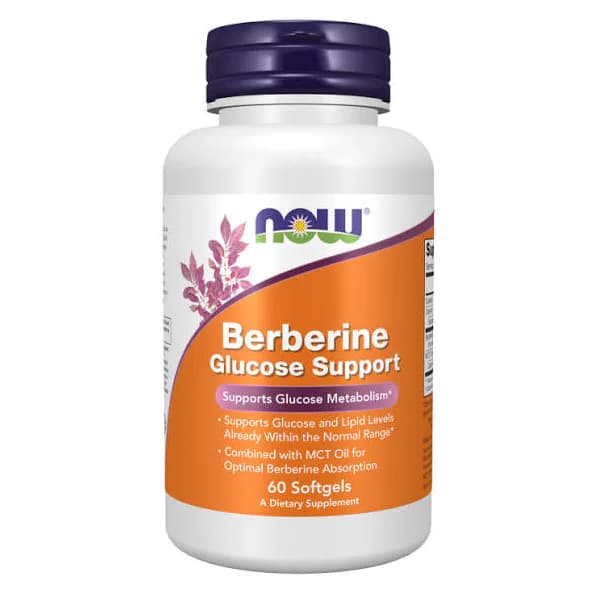
NOW Foods Berberine Glucose Support Softgels
-10%
(1)
NOW Foods

NOW Foods Berberine Glucose Support Softgels

Rs 9,000Rs 10,000
View Product
NOW Foods Berberine Glucose Support 90 Softgels
-20%
NOW Foods

NOW Foods Berberine Glucose Support 90 Softgels

Rs 8,000Rs 10,000
View Product
Deep dive

About Capric Acid (C10)

Everything you need to know about this ingredient β€” sourced from our editorial team and the brands we work with.

About this ingredient

Capric Acid is a 10-carbon saturated fatty acid belonging to the medium-chain fatty acid family. Its chemical name is decanoic acid, and the β€œC10” designation refers to its 10-carbon chain.

Capric acid occurs naturally in several fats and oils, particularly coconut oil and palm kernel oil, as well as smaller amounts in some dairy products.

Medium-chain fatty acids are metabolized differently from many long-chain fatty acids. They can be transported to the liver and used as substrates for energy metabolism. Capric acid is therefore relevant to research involving fat metabolism, ketone production, energy utilization and lipid biochemistry.

Capric acid should not be confused with caproic acid (C6), caprylic acid (C8), or lauric acid (C12). These are different fatty acids with different chain lengths and chemical properties.

Health benefits

  • βœ“βš‘ Supports energy production
  • βœ“πŸ₯₯ Provides medium-chain fatty acids
  • βœ“πŸ”¬ Supports research into fat metabolism
  • βœ“πŸ”₯ May contribute to ketone production under certain dietary conditions
  • βœ“πŸ’š Contributes to dietary fat intake

Common uses

  1. 1πŸ₯₯ Ingredient in MCT oil formulations
  2. 2⚑ Dietary fat supplementation
  3. 3πŸ§ͺ Nutritional ingredient research
  4. 4🍽️ Specialized nutrition products
  5. 5πŸ”¬ Research on medium-chain fatty acid metabolism

How it works

Capric acid is digested and absorbed as a dietary fat. Compared with many long-chain fatty acids, medium-chain fatty acids can be transported and metabolized more rapidly by the body. Capric acid can be broken down through fatty acid oxidation to help produce energy, and some of it may contribute to ketone production depending on the amount consumed, the formulation, and the body's metabolic state. Its metabolism differs from that of caprylic acid (C8), so the two should not be considered identical. Capric acid is not a guaranteed weight-loss or energy-boosting treatment, and outcomes depend on overall nutrition and individual health.

Recommended for

  • β™₯Capric acid may be relevant to adults interested in understanding medium-chain fats or considering an MCT oil product as part of their dietary routine. People following a specialized nutrition plan should choose products according to their dietary needs and professional guidance. Individuals with digestive disorders, liver or pancreatic conditions, fat-digestion problems, or other ongoing medical conditions should consult a healthcare professional before using concentrated MCT products. Children, pregnant or breastfeeding individuals, and people taking medication should seek appropriate professional advice before using supplements.

Scientific information

Capric acid is a saturated medium-chain fatty acid with the chemical formula C₁₀Hβ‚‚β‚€Oβ‚‚ and the systematic name decanoic acid. It contains 10 carbon atoms and occurs naturally in several dietary fats. Capric acid may be supplied as a free fatty acid or as part of medium-chain triglycerides, in which fatty acids are attached to a glycerol backbone. These forms are not interchangeable in every nutritional context. Research has examined medium-chain fatty acids for digestion, absorption, energy metabolism, and ketone production, but evidence for a particular health benefit must be evaluated according to the exact ingredient, dose, formulation, and population studied. Findings from studies on other MCTs, such as caprylic acid (C8), should not automatically be applied to capric acid (C10).

Safety information

Capric acid consumed in ordinary dietary amounts is present in foods such as coconut-derived fats and dairy products. Concentrated capric acid or MCT supplements may cause digestive symptoms, especially when introduced in large amounts or taken without food. The suitability of a product depends on its composition, serving size, total dietary fat intake, and the user's health status. People with liver disease, pancreatic conditions, impaired fat digestion, or other medical concerns should consult a healthcare professional before using concentrated MCT products. Check the label to determine whether the product contains pure capric acid, an MCT blend, or another formulation, and follow the manufacturer's directions. Supplements should not replace a balanced diet or prescribed medical treatment.

Possible side effects

  • !Possible side effects of concentrated capric acid or MCT products include nausea, abdominal discomfort, bloating, loose stools, and diarrhea. These effects may be more likely when taking a large serving at once. Individual tolerance varies according to the formulation and amount consumed. Stop using the product and seek medical advice if you experience persistent or severe symptoms.

More about this ingredient

Capric Acid (C10), also known as decanoic acid, is a medium-chain fatty acid found in coconut oil, palm kernel oil, and dairy fats. It is commonly discussed in relation to medium-chain triglycerides (MCTs), dietary fat metabolism, and energy production. Capric acid may be included in selected MCT oil products and nutritional formulations, but the exact composition can vary from one product to another. When choosing capric acid supplements in Pakistan, review the ingredient list, amount per serving, product quality information, expiry date, and directions for use. Do not assume that every MCT product contains the same ratio of C8 and C10 fatty acids. Wellmart.pk helps shoppers learn about supplement ingredients and make informed choices. A balanced diet, appropriate serving sizes, and professional guidance are important when considering concentrated dietary fats.
Got questions?

Frequently asked questions

What is Capric Acid (C10)?

Capric acid is a medium-chain saturated fatty acid with 10 carbon atoms. It is also called decanoic acid.

What does C10 mean in Capric Acid?

C10 means the fatty acid contains 10 carbon atoms in its molecular chain.

What is another name for Capric Acid?

Its common alternative name is decanoic acid.

Where is Capric Acid found naturally?

It occurs in coconut oil, palm kernel oil, and certain dairy fats.

Is Capric Acid an MCT?

Capric acid is a medium-chain fatty acid. It can be included in medium-chain triglyceride products when combined with glycerol as part of triglyceride molecules.

What is the difference between C8 and C10?

C8 is caprylic acid with eight carbon atoms, while C10 is capric acid with ten. Their metabolism and characteristics are similar in some ways but not identical.

Does Capric Acid provide energy?

Like other dietary fats, capric acid can be metabolized to produce energy.

Can Capric Acid increase ketone production?

Medium-chain fats can contribute to ketone production under certain conditions. The effect depends on the product, amount consumed, and overall metabolic state.

Does Capric Acid help with weight loss?

There is not enough evidence to claim that capric acid alone reliably causes weight loss. Weight management depends on overall diet, activity, and other factors.

Is Capric Acid the same as coconut oil?

No. Coconut oil is a mixture of fats containing several fatty acids, including capric acid. Capric acid is one specific fatty acid.

Is Capric Acid the same as MCT oil?

No. MCT oil is a product containing medium-chain triglycerides, often with caprylic acid, capric acid, or both. The ratio varies by product.

How is Capric Acid used in supplements?

It may be included in selected MCT oil products and specialized nutritional formulations. Always check the product label for the actual composition.

Can Capric Acid cause digestive problems?

Yes. Concentrated MCT products may cause nausea, bloating, abdominal discomfort, or diarrhea, particularly at higher servings.

Should Capric Acid be taken with food?

Follow the specific product directions. Taking an MCT product with food and starting with a small serving may improve digestive tolerance for some people.

Is Capric Acid suitable for daily use?

Suitability depends on the product, serving size, diet, and personal health. Follow the label and consult a healthcare professional if unsure.
wellmart

Collections

    Help Desk

      Newsletter

      Get early access to drops & deals.

      Β© 2026 Wellmart.