Skip to content
Free nationwide delivery Β· Cash on Delivery availableFree delivery Β· COD
DealsAboutContact Orders
wellmart
All products All categories All brands All ingredients
Sign in
HomeShopIngredientsDecaffeinated Green Tea Camellia Sinensis

Filters

Filters

Category

  • All categories
  • No matches.

Brand

  • No matches.

Max price: any

Availability

Decaffeinated Green Tea Camellia Sinensis

3 products

Sort
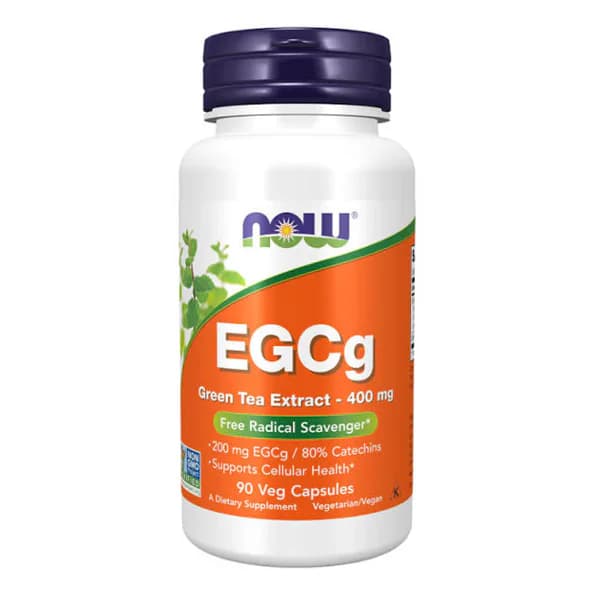
NOW Foods EGCg, Green Tea Extract 90 Veg Capsules
-13%
NOW Foods

NOW Foods EGCg, Green Tea Extract 90 Veg Capsules

Rs 7,000Rs 8,000
View Product
NOW Foods L-Theanine 90 Veg Capsules
-7%
(1)
NOW Foods

NOW Foods L-Theanine 90 Veg Capsules

Rs 7,000Rs 7,500
View Product
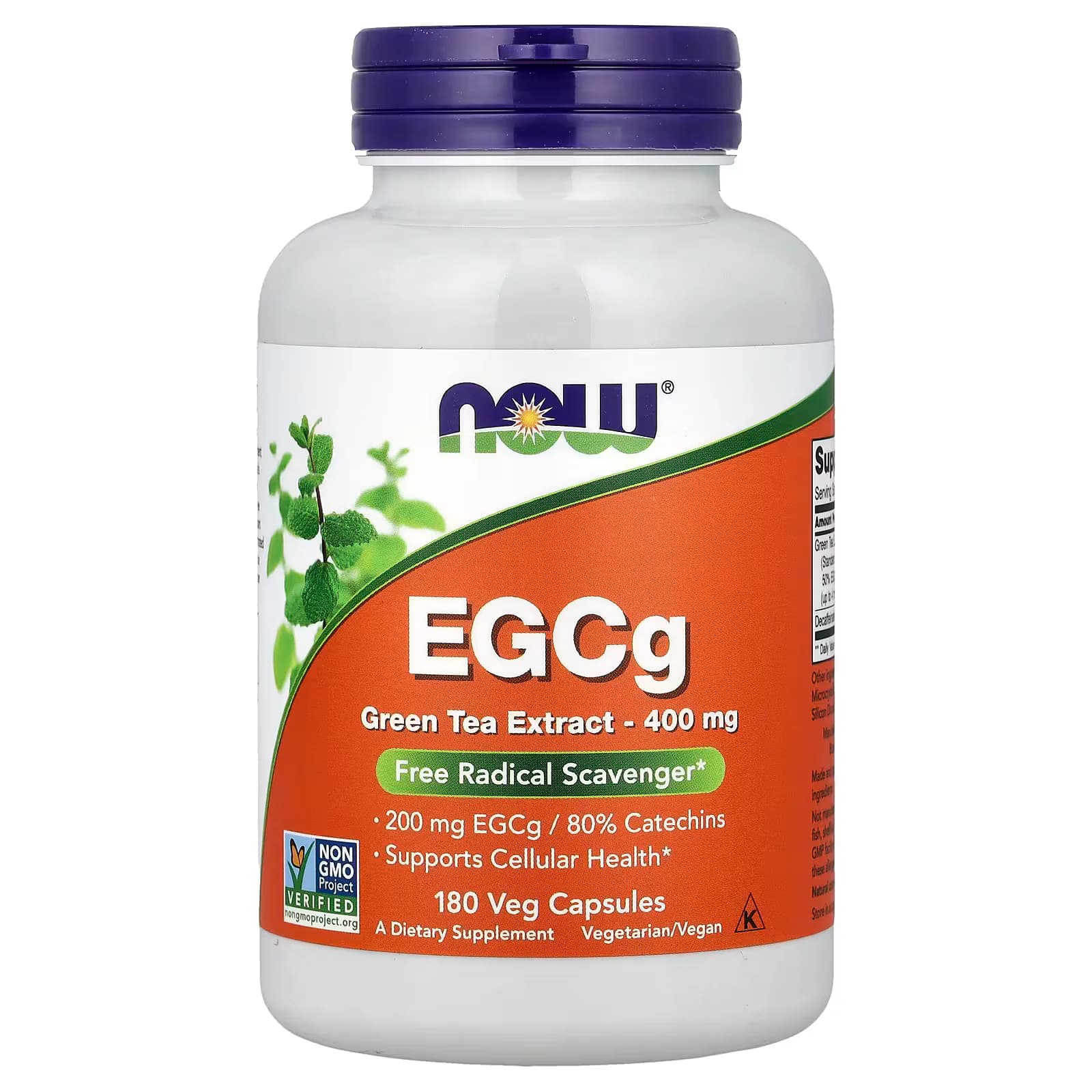
NOW Foods EGCg, Green Tea Extract 180 Veg Capsules
-17%
NOW Foods

NOW Foods EGCg, Green Tea Extract 180 Veg Capsules

Rs 10,000Rs 12,000
View Product
Deep dive

About Decaffeinated Green Tea (Camellia sinensis)

Everything you need to know about this ingredient β€” sourced from our editorial team and the brands we work with.

About this ingredient

Decaffeinated Green Tea is derived from the leaves of Camellia sinensis, the same tea plant used to produce green, black and oolong tea. Green tea leaves are processed differently from black tea, with green tea generally being steamed or pan-fired and dried without the fermentation used for black tea.

Green tea naturally contains several groups of compounds, including catechins, other polyphenols, amino acids, minerals and alkaloids. EGCG is one of the best-known catechins found in green tea.

Decaffeination reduces the caffeine content, making this ingredient particularly suitable for supplements designed for people who prefer to limit stimulants or for formulations intended for use without the typical caffeine contribution of conventional green tea.

Research on green tea has investigated antioxidant activity, cardiovascular health, cholesterol levels, metabolic health and body weight. However, results vary according to the type of product, catechin concentration, caffeine content and study population. NCCIH notes that evidence is not strong enough to establish green tea as an effective treatment for most conditions.

Health benefits

  • βœ“πŸƒ Provides natural green tea polyphenols
  • βœ“πŸ›‘οΈ Contains catechins studied for antioxidant activity
  • βœ“β˜• Offers a lower-caffeine alternative to regular green tea
  • βœ“πŸŒΏ Can be enjoyed as part of a balanced lifestyle
  • βœ“πŸ§ͺ Supports ongoing research into green tea plant compounds.

Common uses

  1. 1β˜• Preparing a lower-caffeine tea beverage
  2. 2πŸƒ Drinking as part of a daily beverage routine
  3. 3πŸ₯„ Using decaffeinated green tea powder in selected recipes
  4. 4πŸ’Š Included in some dietary supplements and extracts
  5. 5πŸ§ͺ Used in research on tea catechins and polyphenols.

How it works

Decaffeinated green tea provides plant compounds, including catechins and other polyphenols, that are studied for their antioxidant activity. These compounds can interact with biological processes associated with oxidative stress and cellular signaling. Decaffeination reduces caffeine, but it may also change the concentration of some tea compounds depending on the method used. Decaffeinated green tea may therefore offer a different chemical profile from regular green tea or concentrated green tea extract. Although laboratory and human studies have investigated green tea compounds in relation to general wellness and metabolic health, results vary, and decaffeinated green tea should not be considered a proven treatment for weight loss, high cholesterol, or other medical conditions.

Recommended for

  • β™₯Decaffeinated green tea may be suitable for adults who enjoy green tea but want to reduce their caffeine intake. It may also appeal to people who prefer a warm, low-caffeine beverage as part of their daily routine. Individuals who are highly sensitive to caffeine should check the product label because decaffeinated tea may still contain small amounts. People taking regular medicines, those with liver disease, and individuals considering concentrated green tea extracts should consult a healthcare professional before use. Pregnant or breastfeeding individuals should discuss concentrated extracts with their healthcare professional and monitor total caffeine intake from all sources.

Scientific information

Green tea comes from Camellia sinensis, a plant in the Theaceae family. Its principal polyphenols include catechins such as epigallocatechin gallate (EGCG), epicatechin gallate, epicatechin, and epigallocatechin. Decaffeination methods may use water, carbon dioxide, or approved solvents, and the resulting levels of caffeine and catechins vary with processing. Green tea polyphenols have been investigated for antioxidant activity and possible effects on cardiovascular and metabolic markers. However, results from studies of regular green tea or concentrated extracts cannot automatically be applied to every decaffeinated product. More research is needed to establish the size and consistency of specific health effects.

Safety information

Decaffeinated green tea consumed as a beverage is generally well tolerated by many adults, but it is not always completely caffeine-free. Check the product label if you need to avoid caffeine. Concentrated green tea extracts are different from ordinary tea and have been associated with rare cases of liver injury, particularly with certain high-dose products. Do not exceed the manufacturer's serving instructions, and consult a healthcare professional before taking extracts if you have liver disease or use medicines that may affect the liver. Green tea can also affect the absorption or action of some medicines; ask a pharmacist about possible interactions. Pregnant or breastfeeding individuals should seek professional advice before using concentrated extracts.

Possible side effects

  • !Decaffeinated green tea may cause stomach discomfort, nausea, or digestive irritation in some people. Small amounts of residual caffeine may contribute to sleep disturbance or sensitivity reactions in susceptible individuals. Concentrated green tea extracts can carry additional risks, including rare liver injury. Side effects may depend on the amount consumed, the product formulation, and individual health conditions. Stop using the product and seek medical advice if you experience unusual symptoms, especially yellowing of the skin or eyes, dark urine, or persistent abdominal pain.

More about this ingredient

Decaffeinated green tea (Camellia sinensis) is a popular lower-caffeine option for people interested in green tea's naturally occurring plant compounds. Available as tea bags, loose-leaf tea, powders, and selected supplements, it contains varying amounts of catechins and other polyphenols depending on the decaffeination process. People searching for decaffeinated green tea in Pakistan should compare the product form, caffeine information, ingredients, serving instructions, expiry date, and manufacturer details. If choosing a green tea extract, check the EGCG content and follow the label carefully. Decaffeinated green tea is not a guaranteed weight-loss solution or a substitute for medical treatment. Wellmart.pk helps customers explore wellness ingredients and supplements in Pakistan.
Got questions?

Frequently asked questions

What is decaffeinated green tea?

It is green tea made from Camellia sinensis leaves that have been processed to remove most of their caffeine.

Is decaffeinated green tea completely caffeine-free?

Not necessarily. It may contain small amounts of residual caffeine, depending on the product and processing method.

What is the scientific name of green tea?

The scientific name is Camellia sinensis.

What compounds are found in decaffeinated green tea?

It may contain catechins, including EGCG, and other polyphenols. Their amounts vary by product.

Does decaffeinated green tea contain antioxidants?

It retains some polyphenols with antioxidant activity, although the levels depend on how the tea is processed.

Is decaffeinated green tea better than regular green tea?

Neither is universally better. Decaffeinated green tea contains less caffeine, while the levels of other plant compounds vary between products.

Can decaffeinated green tea help with weight loss?

Evidence does not establish decaffeinated green tea as an effective weight-loss treatment. It should not replace a balanced diet and physical activity.

Can decaffeinated green tea support heart health?

Green tea compounds have been studied for cardiovascular markers, but evidence does not establish decaffeinated green tea as a treatment or guarantee of heart-health benefits.

Can I drink decaffeinated green tea at night?

Many people prefer it in the evening because it contains less caffeine, but residual caffeine may remain and individual sensitivity varies.

What forms of decaffeinated green tea are available?

Common forms include tea bags, loose leaves, powders, extracts, and dietary supplements.

Is decaffeinated green tea safe for daily use?

Many adults tolerate it as a beverage. Suitability depends on the product, amount consumed, and individual health circumstances.

What are the possible side effects?

Possible effects include stomach discomfort, nausea, and, in sensitive individuals, sleep disturbance from residual caffeine.

Are green tea extracts the same as green tea beverages?

No. Extracts can be much more concentrated and may have different risks, including rare liver injury.

Can decaffeinated green tea interact with medicines?

Yes, green tea products may affect certain medicines. Consult a pharmacist or healthcare professional about your specific medication.

Can people with liver disease use green tea extract?

They should consult their healthcare professional before use because concentrated green tea extracts have been associated with rare liver injury.
wellmart

Collections

    Help Desk

      Newsletter

      Get early access to drops & deals.

      Β© 2026 Wellmart.