




About this ingredient
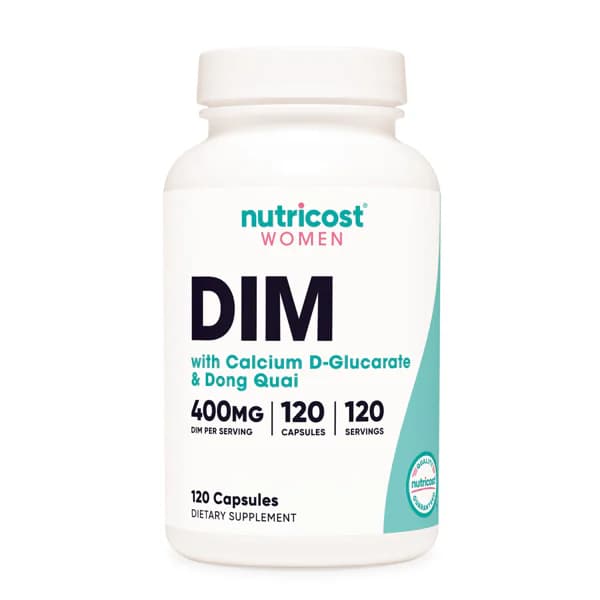
DIM (Diindolylmethane), also known as 3,3′-Diindolylmethane, is a naturally occurring phytochemical formed from indole-3-carbinol (I3C), a compound found in cruciferous vegetables such as broccoli, cabbage, Brussels sprouts and cauliflower.
DIM is best known for its research involving estrogen metabolism and hormone-related pathways. Human studies have shown that DIM supplementation can alter urinary estrogen-metabolite profiles, but these biochemical changes should not automatically be interpreted as improved clinical outcomes.
DIM has also been investigated in breast, cervical, prostate and other hormone-related research. However, clinical evidence remains limited, and DIM should not be marketed as a cancer-prevention or cancer-treatment product. Memorial Sloan Kettering notes that human data are still limited.
An important consideration is that DIM can influence drug-metabolizing pathways. In a randomized trial involving women taking tamoxifen, DIM changed estrogen metabolism but also reduced circulating tamoxifen metabolites, including endoxifen, highlighting a potentially important drug interaction.