Skip to content
Free nationwide delivery Β· Cash on Delivery availableFree delivery Β· COD
DealsAboutContact Orders
wellmart
All products All categories All brands All ingredients
Sign in
HomeShopIngredientsGlycyrrhizin

Filters

Filters

Category

  • All categories
  • No matches.

Brand

  • No matches.

Max price: any

Availability

Glycyrrhizin

1 product

Sort
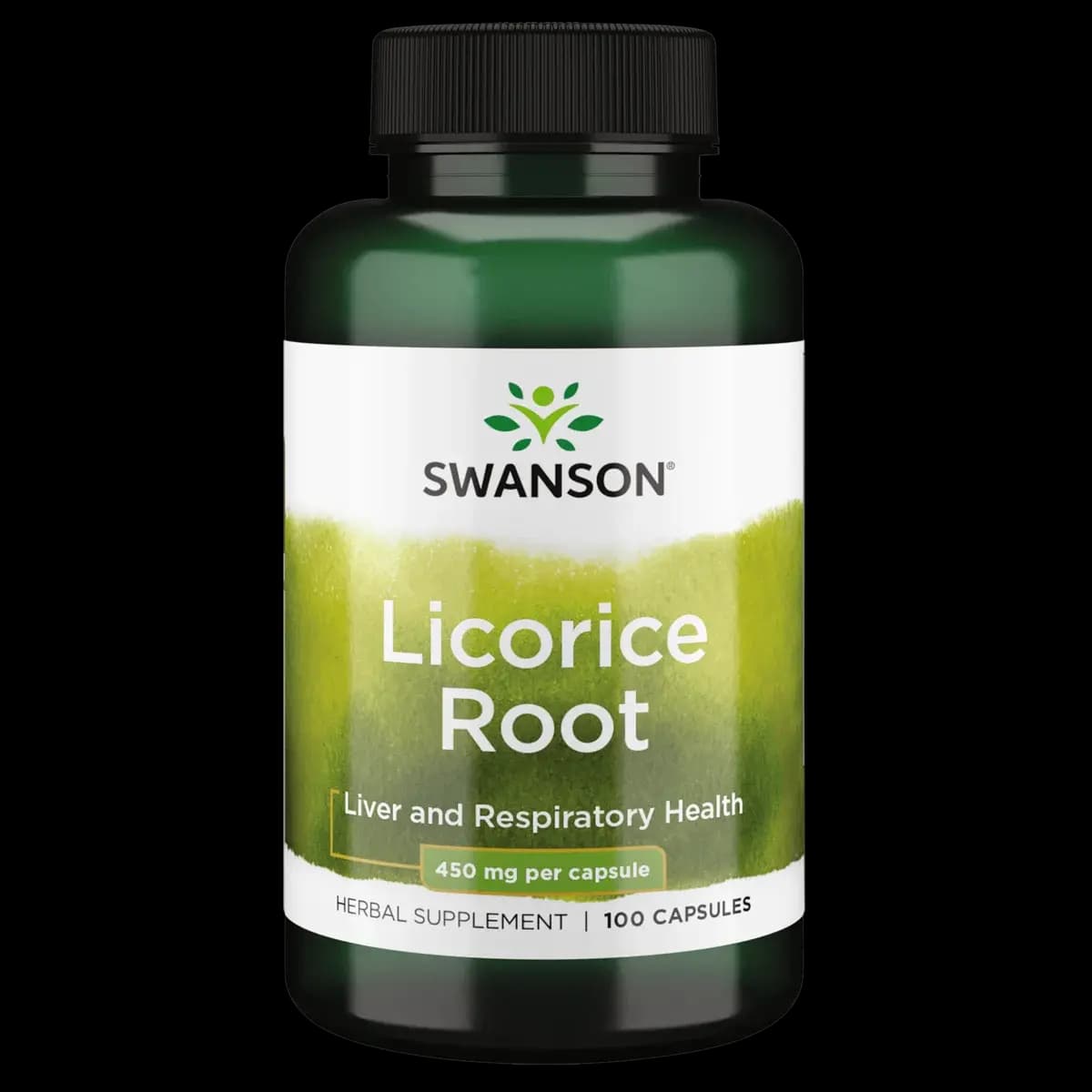
SWANSON Licorice Root capsules
-17%
Swanson

SWANSON Licorice Root capsules

Rs 10,000Rs 12,000
View Product
Deep dive

About Glycyrrhizin

Everything you need to know about this ingredient β€” sourced from our editorial team and the brands we work with.

About this ingredient

Glycyrrhizin is a naturally occurring triterpenoid saponin found in licorice root. It is also known as glycyrrhizic acid and is considered one of the principal active constituents of licorice. PubChem identifies glycyrrhizin as a plant metabolite and triterpenoid saponin extracted from licorice, including Glycyrrhiza glabra.

In the body, glycyrrhizin can be metabolized to glycyrrhetinic acid, a biologically active metabolite. This pathway is relevant to both the pharmacological activity and safety profile of licorice-derived products.

Glycyrrhizin is studied for antioxidant, inflammatory, immune and antiviral pathways and is used as a marker or active constituent in some licorice extracts. However, research findings for specific health applications should not be generalized to every licorice or glycyrrhizin supplement.

Health benefits

  • βœ“πŸŒΏ Naturally occurs in licorice root
  • βœ“πŸ§ͺ Studied for its biological and anti-inflammatory properties
  • βœ“πŸ”¬ Investigated in laboratory research on viral processes
  • βœ“πŸ¬ Contributes to licorice's characteristic sweet taste
  • βœ“πŸŒ± Used in selected herbal and food formulations
  • βœ“πŸ“š Helps researchers study licorice-derived compounds

Common uses

  1. 1🌿 Used as a constituent of licorice-root preparations
  2. 2🍬 Included in selected food and flavoring applications where permitted
  3. 3πŸ§ͺ Studied in laboratory research
  4. 4πŸ”¬ Investigated for interactions with inflammatory pathways
  5. 5πŸ“š Used in research on licorice-derived compounds
  6. 6🧴 Included in selected formulations depending on product and regulatory requirements

How it works

Glycyrrhizin and its main metabolite, glycyrrhetinic acid, can influence several biological pathways. One important effect is the inhibition of an enzyme called 11Ξ²-hydroxysteroid dehydrogenase type 2, which normally helps protect the body from excessive mineralocorticoid activity by converting cortisol into cortisone in certain tissues. When this enzyme is inhibited, cortisol can act more strongly at mineralocorticoid receptors, potentially causing the body to retain sodium and water while losing potassium. This can lead to high blood pressure, swelling, and low potassium levels. Laboratory studies have also examined glycyrrhizin for effects on inflammatory and viral processes, but laboratory findings do not establish that it is an effective treatment for human disease.

Recommended for

  • β™₯Adults researching licorice-derived ingredients may find glycyrrhizin relevant when reviewing herbal products or food ingredients. It should not be taken as a supplement for a medical condition without guidance from a qualified healthcare professional. People with high blood pressure, heart disease, kidney disease, liver conditions, or low potassium levels should generally avoid glycyrrhizin-containing supplements unless specifically advised by their clinician. People taking diuretics, corticosteroids, digoxin, or medicines that affect blood pressure or potassium should seek medical advice before exposure to concentrated glycyrrhizin. Pregnant or breastfeeding individuals should avoid medicinal or concentrated use unless advised by a healthcare professional.

Scientific information

Glycyrrhizin is a triterpenoid saponin glycoside found primarily in licorice roots. It consists of glycyrrhetinic acid linked to two glucuronic acid units. After oral intake, intestinal bacteria can convert glycyrrhizin into glycyrrhetinic acid, which contributes to many of its biological effects. Research has investigated its interactions with inflammatory signaling, immune responses, and certain viruses in laboratory and preclinical settings. Some medical research has also examined glycyrrhizin-derived compounds in specific clinical contexts, but results depend on the formulation and condition being studied. Glycyrrhizin's effect on cortisol metabolism is well established and explains its potential to cause fluid retention, hypertension, and hypokalemia. It should not be assumed that evidence for a laboratory effect proves that an oral supplement is safe or effective for treating a disease.

Safety information

Glycyrrhizin can cause serious adverse effects when consumed in large amounts or over an extended period. It may raise blood pressure, cause sodium and water retention, lower potassium levels, and affect normal heart rhythm in susceptible individuals. Risk may be greater in people with hypertension, heart or kidney disease, or existing electrolyte imbalances. It can interact with diuretics, digoxin, corticosteroids, and other medicines that influence blood pressure or potassium levels. Concentrated licorice supplements should be avoided during pregnancy unless a qualified healthcare professional specifically advises otherwise. Check ingredient labels because licorice products vary in glycyrrhizin content, and do not assume that a licorice product is glycyrrhizin-free unless it is specifically formulated and labeled accordingly. Seek medical advice before using concentrated products.

Possible side effects

  • !Possible side effects of glycyrrhizin include high blood pressure, fluid retention, swelling, headache, muscle weakness, fatigue, and low potassium levels. In more serious cases, reduced potassium can cause abnormal heart rhythms and other cardiovascular complications. Risk increases with high intake, prolonged use, and certain medical conditions or medication combinations. Stop using the product and seek medical advice if you develop swelling, unusual weakness, palpitations, or other concerning symptoms. Severe chest pain, fainting, or a serious irregular heartbeat requires urgent medical attention.

More about this ingredient

Glycyrrhizin is a natural licorice-root compound also known as glycyrrhizic acid. It is found in Glycyrrhiza species and contributes to the sweet taste of licorice. This ingredient is used in some herbal products and food formulations and has been studied for its potential anti-inflammatory and antiviral properties. However, evidence from laboratory studies does not establish that glycyrrhizin supplements can prevent or cure infections or other diseases. Glycyrrhizin also has a well-known safety concern: excessive intake may cause high blood pressure, fluid retention, and low potassium levels. When exploring licorice-based supplements in Pakistan, check whether the product contains glycyrrhizin, its amount per serving, the recommended use, manufacturer information, and safety warnings. People with blood pressure, heart, kidney, or electrolyte problems should seek professional advice before using concentrated licorice products. Wellmart.pk helps customers learn about herbal ingredients and nutritional supplements in Pakistan.
Got questions?

Frequently asked questions

What is glycyrrhizin?

Glycyrrhizin is a naturally occurring sweet compound found in licorice root. It is also called glycyrrhizic acid.

Where does glycyrrhizin come from?

It is mainly obtained from the roots of licorice plants, including Glycyrrhiza glabra and related species.

What is glycyrrhizin used for?

It is found in some licorice-based herbal products, selected food formulations, and scientific research. Its permitted uses depend on the product and applicable regulations.

What are the potential benefits of glycyrrhizin?

Glycyrrhizin has been studied for several biological activities, including effects on inflammatory and viral processes. Many findings are from laboratory research and do not prove clinical benefits in humans.

Is glycyrrhizin the same as licorice extract?

No. Licorice extract is a mixture of compounds from licorice root, while glycyrrhizin is one specific compound within that mixture.

What is the difference between glycyrrhizin and DGL?

DGL means deglycyrrhizinated licorice. It is processed to remove most glycyrrhizin, whereas ordinary licorice extracts may contain substantial amounts.

Can glycyrrhizin reduce inflammation?

Laboratory studies have investigated anti-inflammatory effects, but this does not establish that glycyrrhizin supplements effectively treat inflammatory diseases in humans.

Does glycyrrhizin have antiviral properties?

Some laboratory studies have investigated antiviral activity. Glycyrrhizin should not be used as a substitute for approved treatment for viral infections.

Can glycyrrhizin affect blood pressure?

Yes. Glycyrrhizin can cause sodium and water retention and lower potassium levels, which may raise blood pressure.

Can glycyrrhizin lower potassium levels?

Yes. Glycyrrhizin can increase potassium loss in the body. Low potassium can become dangerous, particularly for people with heart conditions or those taking certain medicines.

Is glycyrrhizin safe for daily use?

Regular use of concentrated glycyrrhizin may be unsafe, particularly at high amounts or over long periods. Safety depends on intake, health status, and medication use.

What are the side effects of glycyrrhizin?

Possible effects include high blood pressure, swelling, fluid retention, headache, muscle weakness, and low potassium. Severe cases may involve abnormal heart rhythms.

Can glycyrrhizin interact with medication?

Yes. It may interact with diuretics, digoxin, corticosteroids, and medicines that affect blood pressure or potassium levels. Ask a healthcare professional before using it.

Should people with high blood pressure avoid glycyrrhizin?

People with high blood pressure should generally avoid concentrated glycyrrhizin-containing products unless their healthcare professional specifically advises otherwise.

Is glycyrrhizin suitable for people with kidney disease?

People with kidney disease should consult their healthcare professional before use because fluid retention and electrolyte changes may increase health risks.
wellmart

Collections

    Help Desk

      Newsletter

      Get early access to drops & deals.

      Β© 2026 Wellmart.