Skip to content
Free nationwide delivery Β· Cash on Delivery availableFree delivery Β· COD
DealsAboutContact Orders
wellmart
All products All categories All brands All ingredients
Sign in
HomeShopIngredientsInulin

Filters

Filters

Category

  • All categories
  • No matches.

Brand

  • No matches.

Max price: any

Availability

Inulin

5 products

Sort
AgeImmune Brilliant Berberine 1000 Plus Vegetarian Capsules
-6%
AgeImmune

AgeImmune Brilliant Berberine 1000 Plus Vegetarian Capsules

Rs 10,800Rs 11,500
View Product
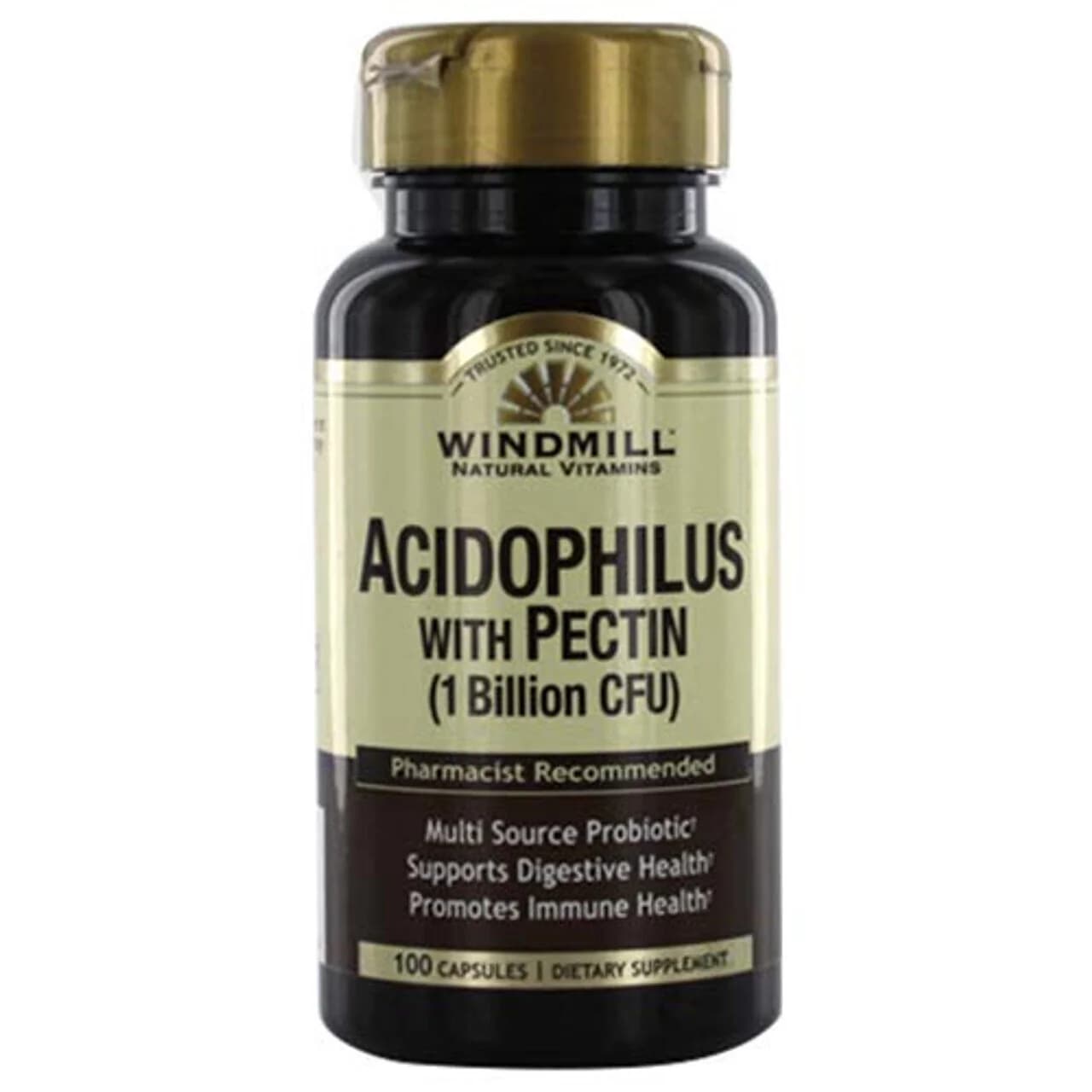
Windmill Natural Acidophilus Probiotic Blend with Pectin 100 Capsules
-5%
Windmill

Windmill Natural Acidophilus Probiotic Blend with Pectin 100 Capsules

Rs 9,500Rs 10,000
View Product
Nuven Naturals All-in-One Gut Health Probiotics Prebiotics Herbs & Adaptogens 120 Capsules
-17%
Nuven Naturals

Nuven Naturals All-in-One Gut Health Probiotics Prebiotics Herbs & Adaptogens 120 Capsules

Rs 10,000Rs 12,000
View Product
Nutricost Chicory Root 650 mg Capsules
-17%
Nutricost

Nutricost Chicory Root 650 mg Capsules

Rs 7,500Rs 9,000
View Product
Rockstar Skinny Gal Thermogenic Capsules
-8%
Rockstar

Rockstar Skinny Gal Thermogenic Capsules

Rs 12,000Rs 13,000
View Product
Deep dive

About Inulin

Everything you need to know about this ingredient β€” sourced from our editorial team and the brands we work with.

About this ingredient

Inulin is a naturally occurring soluble dietary fiber belonging to the fructan family. Chicory root is one of the most common commercial sources, although inulin-type fructans also occur naturally in foods such as onions, garlic, asparagus, leeks and Jerusalem artichokes.

Unlike many digestible carbohydrates, inulin passes through the upper digestive tract largely undigested. Once it reaches the large intestine, it can be fermented by intestinal microorganisms. This is why inulin is classified as a prebiotic fiber.

Inulin is particularly associated with supporting the growth or activity of certain beneficial gut microorganisms, including Bifidobacterium species. Research has investigated its effects on bowel function, stool frequency, gut microbiota and mineral absorption. Results can vary depending on the amount consumed, chain length and individual gut microbiota.

Inulin is also used in food technology because it can contribute to texture, mouthfeel and fiber content. Commercial products may contain different degrees of polymerization, which can influence sweetness, solubility, fermentability and gastrointestinal tolerance.

Health benefits

  • βœ“πŸŒΏ Provides soluble dietary fiber
  • βœ“πŸ¦  Feeds certain beneficial gut bacteria
  • βœ“πŸ₯£ Helps increase daily fiber intake
  • βœ“πŸš½ May support bowel regularity
  • βœ“πŸ”¬ Produces short-chain fatty acids during gut fermentation
  • βœ“πŸ₯¦ Naturally found in several vegetables
  • βœ“πŸ½οΈ Used to increase fiber content in foods

Common uses

  1. 1πŸ’Š Ingredient in prebiotic fiber supplements
  2. 2πŸ₯€ Added to fiber powders and drink mixes
  3. 3πŸ₯£ Used in selected functional foods
  4. 4🌿 Supports dietary fiber intake
  5. 5🦠 Used in formulations designed to nourish beneficial gut bacteria
  6. 6🍽️ Food ingredient for texture and fiber enrichment

How it works

Inulin is not fully digested in the small intestine, so it reaches the large intestine, where certain gut bacteria ferment it. This fermentation can encourage the growth of bacteria such as Bifidobacterium and produce short-chain fatty acids. These substances help support the environment of the colon. Inulin can also contribute to total dietary fiber intake and may help improve bowel habits in some people. However, it is rapidly fermented, which can produce gas and cause bloating or discomfort, particularly when intake increases too quickly. Its effects depend on the amount consumed, the individual's digestive health, and their gut microbiota.

Recommended for

  • β™₯Inulin may be suitable for adults who want to increase their dietary fiber intake or include a prebiotic ingredient in their diet. It may also be considered by people who want to support normal bowel habits, provided they tolerate it well. People with irritable bowel syndrome (IBS), sensitivity to fermentable carbohydrates, or frequent bloating should use caution because inulin can worsen gas and digestive symptoms. Anyone with a medical condition or following a medically restricted diet should ask a healthcare professional before using concentrated fiber supplements. Introduce inulin gradually and follow the directions on the product label.

Scientific information

Inulin is a naturally occurring fructan, a type of carbohydrate made from linked fructose units, sometimes ending with a glucose unit. It is found in chicory root and several other plants and is widely used as a functional food ingredient. Because human digestive enzymes do not break it down completely, inulin reaches the colon and undergoes fermentation by gut microorganisms. Research has shown that it can increase certain beneficial bacterial populations, especially Bifidobacterium, although changes in gut bacteria do not automatically prove an overall health benefit. Studies have also examined inulin for bowel regularity and mineral absorption, but results vary by dose, population, and study design. Inulin is therefore best understood as a prebiotic fiber rather than a treatment for a disease.

Safety information

Inulin is generally tolerated by many people when consumed in suitable amounts, but tolerance varies considerably. Begin with a small amount and increase gradually according to the product label and personal tolerance. Drinking adequate fluids and taking the supplement with food may help some people tolerate fiber more comfortably. Excessive intake can cause gas, bloating, abdominal cramps, loose stools, or diarrhea. People with IBS or sensitivity to fermentable carbohydrates may find that inulin makes their symptoms worse. Consult a healthcare professional before using a concentrated supplement if you have a digestive condition, follow a medically restricted diet, take regular medication, or are pregnant or breastfeeding. Check the complete ingredient list for other fibers, sweeteners, or allergens, and keep supplements away from children.

Possible side effects

  • !The most common side effects of Inulin are gas, bloating, flatulence, abdominal discomfort, stomach cramps, and changes in bowel movements. Some people may experience loose stools or diarrhea, especially when they consume large amounts. People with sensitive digestion or IBS may notice symptoms at lower amounts. Rarely, an individual may experience an allergic reaction to a product or one of its ingredients. Stop using the supplement and seek medical advice if symptoms are severe or persistent. Seek urgent medical care if you experience breathing difficulty or swelling of the face, lips, or throat.

More about this ingredient

Inulin is a plant-based prebiotic fiber found naturally in chicory root, onions, garlic, asparagus, and other vegetables. It is widely used in dietary supplements and functional foods to increase fiber content and support beneficial gut bacteria. As a soluble fiber, Inulin reaches the large intestine and is fermented by gut microorganisms, producing short-chain fatty acids and other fermentation products. Inulin may support bowel regularity and digestive health in some people, but its effects vary depending on the amount consumed and individual tolerance. Common side effects include gas, bloating, abdominal cramps, and diarrhea, especially when intake increases too quickly. People with irritable bowel syndrome or sensitivity to fermentable carbohydrates should use caution. Before choosing an Inulin supplement in Pakistan, review the ingredient list, serving size, manufacturer details, and usage instructions. Start with a small amount and seek professional advice if you have a medical condition. Explore fiber and prebiotic supplement information at Wellmart.pk.
Got questions?

Frequently asked questions

What is Inulin?

Inulin is a plant-based soluble dietary fiber that acts as a prebiotic by providing food for certain beneficial bacteria in the large intestine.

What foods naturally contain Inulin?

Inulin is found in chicory root, onions, garlic, asparagus, leeks, and Jerusalem artichokes, among other plant foods.

What is Inulin used for?

It is used to increase dietary fiber intake and is added to some supplements and foods for its prebiotic properties.

Is Inulin a prebiotic or a probiotic?

Inulin is a prebiotic because it feeds certain gut bacteria. Probiotics are live microorganisms that may provide health benefits when consumed in suitable amounts.

What are the potential benefits of Inulin?

Inulin can increase fiber intake and support certain beneficial gut bacteria. It may also help bowel regularity in some people, although results vary.

How does Inulin work in the body?

It passes through the small intestine largely undigested and is fermented by gut bacteria in the large intestine.

Can Inulin improve digestion?

It may support digestive function and bowel habits in some people. However, it can also cause gas and bloating, especially in sensitive individuals.

Can Inulin help with constipation?

Some people may experience improved bowel regularity, but evidence for treating chronic constipation is limited. Seek professional advice for persistent constipation.

Can Inulin cause gas and bloating?

Yes. Gut bacteria ferment Inulin, producing gas. Starting with a small amount and increasing gradually may improve tolerance.

Is Inulin suitable for people with IBS?

Not always. Inulin can worsen gas, bloating, and other symptoms in people with irritable bowel syndrome, particularly those sensitive to fermentable carbohydrates.

Is Inulin available as a powder?

Yes. Inulin is sold as a powder and may also be included in capsules, fiber blends, and functional foods.

How much Inulin should I take daily?

There is no single suitable amount for everyone. Follow the product label or professional advice and begin with a small amount to assess tolerance.

Can Inulin help beneficial gut bacteria grow?

Yes. Research indicates that Inulin can encourage certain bacteria, including Bifidobacterium, to grow in the gut.

Does Inulin help with weight loss?

It is not a proven weight-loss treatment. Although fiber may influence fullness and eating patterns, results depend on the overall diet and lifestyle.

Can Inulin affect blood sugar?

Inulin is a fiber and is not digested like ordinary sugars, but its overall effects on blood glucose vary. People with diabetes should discuss supplements with their healthcare professional.
wellmart

Collections

    Help Desk

      Newsletter

      Get early access to drops & deals.

      Β© 2026 Wellmart.