Skip to content
Free nationwide delivery · Cash on Delivery availableFree delivery · COD
DealsAboutContact Orders
wellmart
All products All categories All brands All ingredients
Sign in
HomeShopIngredientsL Phenylalanine

Filters

Filters

Category

  • All categories
  • No matches.

Brand

  • No matches.

Max price: any

Availability

L Phenylalanine

4 products

Sort
NOW Foods True Focus™Capsules
-8%
NOW Foods

NOW Foods True Focus™Capsules

Rs 7,400Rs 8,000
View Product
PhenAprin Appetite Suppressant, Weight Loss Pills for Women 60 Tablets
-22%
PhenAprin

PhenAprin Appetite Suppressant, Weight Loss Pills for Women 60 Tablets

Rs 9,000Rs 11,500
View Product
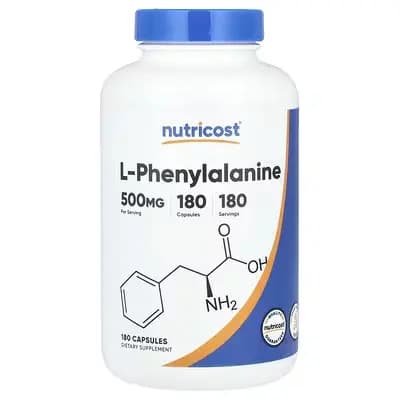
Nutricost L-Phenylalanine 500 mg Capsules
-24%
Nutricost

Nutricost L-Phenylalanine 500 mg Capsules

Rs 8,000Rs 10,500
View Product
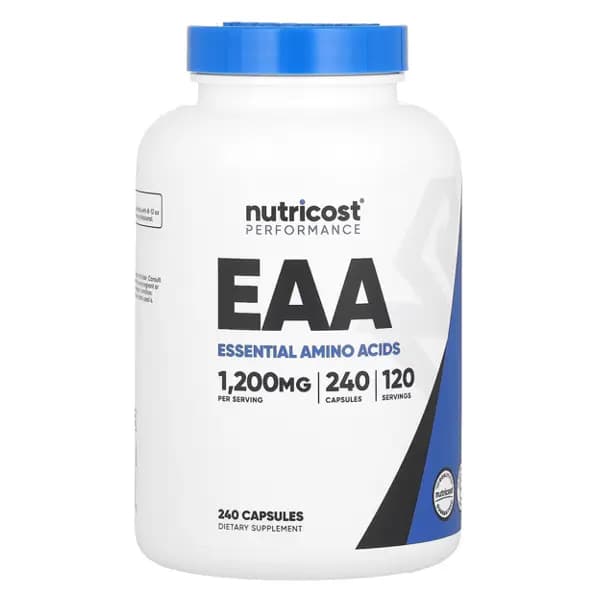
Nutricost Performance EAA 1200 Mg Capsules
-17%
Nutricost

Nutricost Performance EAA 1200 Mg Capsules

Rs 8,500Rs 10,250
View Product
Deep dive

About L-Phenylalanine

Everything you need to know about this ingredient — sourced from our editorial team and the brands we work with.

About this ingredient

L-Phenylalanine is an essential aromatic amino acid that the body needs for normal protein synthesis. It can also be converted into L-Tyrosine, which serves as a precursor for several biologically important compounds, including dopamine, norepinephrine and epinephrine.

L-Phenylalanine is naturally present in protein-rich foods such as meat, fish, eggs, dairy products, soy, legumes, nuts and seeds. It is also used in amino-acid supplements, essential-amino-acid blends, sports-nutrition products and specialized nutritional formulations.

People with phenylketonuria (PKU) must restrict phenylalanine because their bodies cannot properly metabolize it. Aspartame also provides phenylalanine and is required to carry a PKU warning in many jurisdictions.

Health benefits

  • ✓🧬 Supports normal protein synthesis
  • ✓🧪 Provides an essential amino acid the body cannot produce
  • ✓🔄 Acts as a precursor to tyrosine
  • ✓🧠 Contributes indirectly to the production of certain neurotransmitters
  • ✓⚗️ Participates in normal amino acid metabolism
  • ✓🍽️ Helps meet essential amino acid needs when dietary intake is insufficient

Common uses

  1. 1💊 Used in selected amino acid supplements
  2. 2🧬 Included in nutritional formulations
  3. 3🥤 Added to some protein and amino acid blends
  4. 4🧪 Used as an ingredient in nutritional product manufacturing
  5. 5📋 Included in selected specialized dietary formulas
  6. 6🔬 Studied in research on amino acid metabolism and related biological pathways

How it works

L-Phenylalanine contributes to the formation of proteins and can be converted into tyrosine through normal metabolic processes. Tyrosine is a precursor to several important substances, including dopamine, norepinephrine, epinephrine, and thyroid hormones. These compounds participate in normal brain signaling, stress responses, and metabolic regulation. Phenylalanine must be obtained from food because the body cannot synthesize it. However, taking additional phenylalanine does not necessarily increase neurotransmitter production or improve mood, concentration, or energy in people who already obtain enough through their diet. Its effects depend on nutritional status, individual metabolism, and overall health.

Recommended for

  • ♥L-Phenylalanine may be relevant to adults researching essential amino acids or considering a nutritional supplement to address a specific dietary need under professional guidance. It may also appear in amino acid blends and specialized nutritional products. Most people can obtain sufficient phenylalanine through a balanced diet containing adequate protein. People with phenylketonuria (PKU) must strictly manage phenylalanine intake under specialist guidance because their bodies cannot process it normally. Individuals who are pregnant or breastfeeding, have chronic medical conditions, or take regular medication should consult a qualified healthcare professional before using concentrated phenylalanine supplements.

Scientific information

L-Phenylalanine is an essential aromatic amino acid with the molecular formula C₉H₁₁NO₂. It is incorporated into proteins and is converted into tyrosine by the enzyme phenylalanine hydroxylase. Tyrosine then contributes to the production of catecholamine neurotransmitters, including dopamine, norepinephrine, and epinephrine, as well as thyroid hormones. Phenylalanine metabolism requires normal enzyme activity and appropriate nutritional cofactors. In people with phenylketonuria, impaired phenylalanine metabolism can cause harmful accumulation in the body, making careful dietary management essential. Although phenylalanine has been studied for potential effects on mood, pain, and cognitive function, evidence for many proposed supplemental benefits remains limited or inconsistent. Adequate dietary intake is generally sufficient for healthy people who do not have a diagnosed deficiency or specialized nutritional requirement.

Safety information

L-Phenylalanine should be used carefully, especially in concentrated supplement form. People with phenylketonuria (PKU) must avoid or strictly restrict phenylalanine according to their specialist's instructions; this restriction can also apply to products containing phenylalanine or aspartame. People with high blood pressure, certain psychiatric conditions, or other chronic medical concerns should consult a healthcare professional before taking a supplement. Phenylalanine may be unsuitable alongside some medicines, particularly monoamine oxidase inhibitors (MAOIs), and a pharmacist or prescriber should review potential interactions. Pregnant or breastfeeding individuals and children should not use concentrated supplements without appropriate professional advice. Always follow the product label and avoid using phenylalanine as a substitute for prescribed treatment.

Possible side effects

  • !Possible side effects of L-Phenylalanine supplements may include nausea, heartburn, headache, or other digestive discomfort. The likelihood of adverse effects may depend on the amount taken, individual sensitivity, and other medicines or supplements being used. Excess phenylalanine is especially dangerous for people with PKU because it can accumulate and cause serious neurological harm. People taking medicines that affect blood pressure or neurotransmitter activity should seek professional advice before use. Stop taking the supplement and seek medical advice if persistent or concerning symptoms occur. Seek urgent care for severe or unusual reactions.

More about this ingredient

L-Phenylalanine is an essential amino acid used by the body for protein synthesis and the production of tyrosine, a precursor to several important neurotransmitters and hormones. It is naturally present in protein-rich foods such as eggs, fish, meat, dairy products, soybeans, nuts, and legumes. Consumers searching for L-Phenylalanine supplements in Pakistan should review the amount per serving, ingredient list, usage directions, manufacturer details, and safety warnings before purchasing. Supplementation is not necessary for everyone, and claims about mood, focus, or pain relief should be considered carefully because scientific evidence varies. People with phenylketonuria (PKU) must manage phenylalanine intake under specialist guidance. Wellmart.pk provides ingredient information to help consumers understand amino acid supplements and make informed decisions. Consult a qualified healthcare professional before using concentrated phenylalanine, particularly if you have a medical condition or take regular medication.
Got questions?

Frequently asked questions

What is L-Phenylalanine?

L-Phenylalanine is an essential amino acid needed for protein synthesis and the production of other important compounds.

What does L-Phenylalanine do in the body?

It helps build proteins and serves as a precursor to tyrosine, which is used to produce several neurotransmitters and hormones.

Why is phenylalanine called an essential amino acid?

The body cannot produce enough phenylalanine to meet its needs, so it must come from food or supplements.

Which foods contain phenylalanine?

Sources include meat, fish, eggs, dairy products, soybeans, nuts, seeds, and legumes.

What are the potential benefits of L-Phenylalanine?

It provides an amino acid required for protein synthesis and normal metabolism. Additional benefits from supplementation are not firmly established for everyone.

Is L-Phenylalanine related to tyrosine?

Yes. The body converts phenylalanine into tyrosine through a normal metabolic process.

Does phenylalanine help produce dopamine?

Phenylalanine can be converted into tyrosine, which is used to produce dopamine. Extra supplementation does not guarantee increased dopamine production.

Can L-Phenylalanine improve mood or focus?

Evidence supporting these effects from supplements is limited and inconsistent. Consult a healthcare professional for persistent mood or concentration concerns.

Is L-Phenylalanine the same as DL-Phenylalanine?

No. L-phenylalanine is one specific form, while DL-phenylalanine contains a mixture of two forms of the amino acid.

Is L-Phenylalanine available as a supplement?

Yes. It is available in selected amino acid supplements and nutritional formulations, depending on the brand and retailer.
wellmart

Collections

    Help Desk

      Newsletter

      Get early access to drops & deals.

      © 2026 Wellmart.