Skip to content
Free nationwide delivery Β· Cash on Delivery availableFree delivery Β· COD
DealsAboutContact Orders
wellmart
All products All categories All brands All ingredients
Sign in
HomeShopIngredientsL Proline

Filters

Filters

Category

  • All categories
  • No matches.

Brand

  • No matches.

Max price: any

Availability

L Proline

1 product

Sort
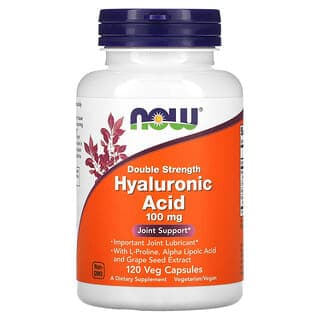
NOW Foods Hyaluronic Acid With L-Proline, Alpha Lipoic Acid and Grape Seed Extract Veg Capsules
-10%
NOW Foods

NOW Foods Hyaluronic Acid With L-Proline, Alpha Lipoic Acid and Grape Seed Extract Veg Capsules

Rs 9,000Rs 10,000
View Product
Deep dive

About L-Proline

Everything you need to know about this ingredient β€” sourced from our editorial team and the brands we work with.

About this ingredient

L-Proline is a naturally occurring amino acid that plays an important structural role in proteins, particularly collagen. Unlike essential amino acids such as L-Leucine and L-Lysine, proline is generally classified as a non-essential amino acid because the body can synthesize it.

Proline is abundant in collagen and contributes to the structure and stability of connective tissues such as skin, cartilage, tendons and ligaments. It is also involved in normal protein synthesis and amino-acid metabolism.

L-Proline is naturally found in protein-containing foods and is commonly used in amino-acid supplements, collagen formulations, sports-nutrition products and specialized nutritional blends.

Health benefits

  • βœ“πŸ§¬ Contributes to normal protein structure
  • βœ“πŸ¦΄ Plays a role in collagen formation
  • βœ“πŸŒΏ Supports the body's normal connective tissue maintenance
  • βœ“πŸ’ͺ Contributes to the structure of tendons and ligaments
  • βœ“πŸ§΄ Included in selected collagen-related nutritional formulas
  • βœ“πŸ½οΈ Available through protein-rich foods and nutritional products

Common uses

  1. 1πŸ’Š Used in selected amino acid supplements
  2. 2🧬 Included in nutritional formulations
  3. 3🧴 Added to some collagen-related supplement blends
  4. 4πŸ§ͺ Used in protein and amino acid research
  5. 5πŸ“‹ Included in selected specialized dietary products
  6. 6πŸ”¬ Studied for its role in collagen structure and metabolism

How it works

L-Proline contributes to the formation of proteins, particularly collagen, which provides structural support to skin, cartilage, tendons, ligaments, and other tissues. Collagen contains a high proportion of proline and hydroxyproline, which help maintain its characteristic structure and stability. The body can produce proline through normal metabolic pathways and also obtains it from protein-containing foods. Adequate overall nutrition is important for collagen production, including sufficient protein and other nutrients needed for normal tissue maintenance. Although proline is studied for its role in connective tissue health, taking a proline supplement does not necessarily increase collagen production or improve skin, joint, or wound outcomes in otherwise well-nourished people.

Recommended for

  • β™₯L-Proline may be of interest to adults researching amino acids, collagen-related nutrition, or ingredients included in protein and wellness supplements. It may also be present in specialized nutritional formulations. Most people obtain proline through normal metabolism and a balanced diet containing adequate protein. People considering supplements for skin, joint, or tissue-related concerns should discuss their needs with a qualified healthcare professional, particularly if they have a chronic medical condition or take regular medication. Pregnant or breastfeeding individuals and parents considering amino acid supplements for children should seek professional advice before using concentrated products.

Scientific information

L-Proline is a non-essential, proteinogenic amino acid with the molecular formula Cβ‚…H₉NOβ‚‚. Its chemical structure is distinctive because its side chain forms a ring with the amino group, influencing the shape and flexibility of proteins. Proline is especially important in collagen, a structural protein found in skin, bones, cartilage, tendons, ligaments, and other connective tissues. The body can synthesize proline from other metabolic compounds, while dietary sources include meat, fish, dairy products, eggs, and protein-containing plant foods. Proline is also involved in normal cellular metabolism and protein structure. Research into collagen-related nutrition often examines combined ingredients or collagen peptides rather than isolated proline alone, so evidence for specific benefits from proline supplements remains limited. Adequate overall protein intake is generally more important than supplementing a single amino acid without a clear nutritional need.

Safety information

L-Proline is naturally present in the body and in many foods, but concentrated supplements should be used according to the product label. The safety of high-dose or long-term supplementation is not well established for every population. People with kidney or liver disease, metabolic disorders, or other chronic medical conditions should consult a healthcare professional before using amino acid supplements. Pregnant or breastfeeding individuals and children should not use concentrated products without appropriate professional guidance. If you take prescription medicines or use multiple supplements, ask a healthcare professional or pharmacist to review the ingredients and possible risks. Choose products from reputable suppliers and do not use proline supplements as a replacement for a balanced diet or prescribed medical treatment.

Possible side effects

  • !The side effects of L-Proline supplements have not been extensively characterized. Some people may experience digestive discomfort, nausea, or other gastrointestinal symptoms, particularly when taking large amounts or combining several supplements. Individual responses may vary according to the dose, formulation, and overall health. The safety of prolonged high-dose use remains uncertain. Stop using the product and seek medical advice if persistent or unusual symptoms develop. Seek urgent medical care if you experience signs of a severe allergic reaction, such as difficulty breathing or swelling of the face, lips, tongue, or throat.

More about this ingredient

L-Proline is an amino acid valued for its important role in collagen formation and normal connective tissue structure. Collagen is a major structural protein that supports skin, cartilage, tendons, ligaments, and other tissues. The body can produce proline naturally, and it is also found in protein-rich foods such as meat, fish, dairy products, eggs, and plant-based protein sources. Consumers searching for L-Proline supplements in Pakistan should review the amount per serving, ingredients, product directions, manufacturer details, and quality information before purchasing. Although proline is essential for normal protein structure, scientific evidence supporting specific benefits from isolated proline supplements is limited. Wellmart.pk provides ingredient information to help consumers understand amino acid supplements and make informed wellness choices. Consult a qualified healthcare professional before using concentrated proline products for a medical concern.
Got questions?

Frequently asked questions

What is L-Proline?

L-Proline is an amino acid that the body uses to build proteins, especially collagen.

What does L-Proline do in the body?

It contributes to protein structure and plays an important role in collagen formation and connective tissue maintenance.

Is L-Proline an essential amino acid?

No. Proline is generally classified as a non-essential amino acid because the body can produce it.

What is the role of L-Proline in collagen?

Proline is a major component of collagen and helps support its structure and stability.

What are the potential benefits of L-Proline?

It contributes to normal collagen structure and protein metabolism. Specific benefits from taking extra proline supplements are not firmly established.

Which foods contain L-Proline?

Sources include meat, fish, eggs, dairy products, and other protein-containing foods.

Does the body produce L-Proline naturally?

Yes. The body can synthesize proline through normal metabolic pathways.

Can L-Proline improve skin health?

Proline is important for collagen structure, but evidence that isolated proline supplements improve skin appearance is limited.

Is L-Proline the same as collagen?

No. Proline is an amino acid, while collagen is a protein made from many amino acids, including proline.

Is L-Proline used in supplements?

Yes. It is included in selected amino acid products and specialized nutritional formulations.
wellmart

Collections

    Help Desk

      Newsletter

      Get early access to drops & deals.

      Β© 2026 Wellmart.