Skip to content
Free nationwide delivery Β· Cash on Delivery availableFree delivery Β· COD
DealsAboutContact Orders
wellmart
All products All categories All brands All ingredients
Sign in
HomeShopIngredientsL Threonine

Filters

Filters

Category

  • All categories
  • No matches.

Brand

  • No matches.

Max price: any

Availability

L Threonine

2 products

Sort
Beverly International Density Essential Amino Acids (EAAs), 150 Tablets
-10%
Beverly International

Beverly International Density Essential Amino Acids (EAAs), 150 Tablets

Rs 13,500Rs 15,000
View Product
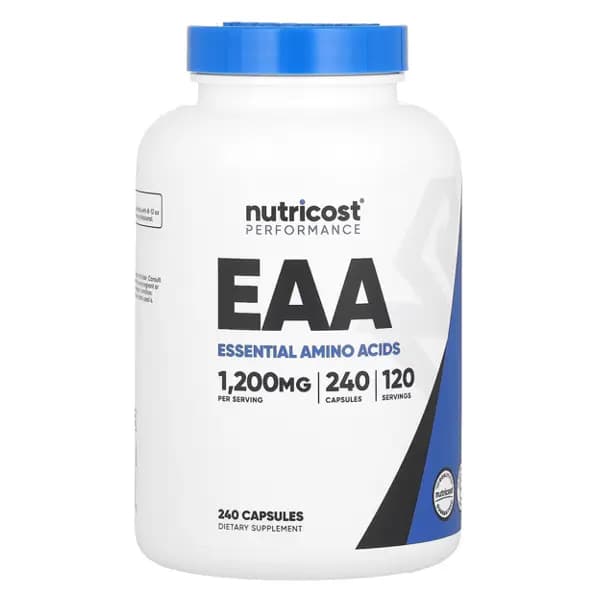
Nutricost Performance EAA 1200 Mg Capsules
-17%
Nutricost

Nutricost Performance EAA 1200 Mg Capsules

Rs 8,500Rs 10,250
View Product
Deep dive

About L-Threonine

Everything you need to know about this ingredient β€” sourced from our editorial team and the brands we work with.

About this ingredient

L-Threonine is an essential proteinogenic amino acid that the human body cannot produce in sufficient amounts and therefore must obtain through dietary sources. It plays an important role in protein synthesis and normal amino-acid metabolism and contributes to proteins involved in various biological functions. L-Threonine is commonly used in amino-acid supplements, sports-nutrition products, protein formulations and specialized nutritional products.

Health benefits

  • βœ“πŸ’ͺ Supports normal protein synthesis
  • βœ“πŸ§¬ Contributes to tissue growth and maintenance
  • βœ“πŸ›‘οΈ Helps support the production of protective digestive mucins
  • βœ“πŸ₯š Provides an essential amino acid needed through the diet
  • βœ“πŸ½οΈ Contributes to normal protein metabolism
  • βœ“πŸ₯— Helps meet amino acid needs when dietary intake is insufficient

Common uses

  1. 1πŸ’Š Used in selected amino acid supplements
  2. 2πŸ₯— Included in nutritional formulas
  3. 3πŸ§ͺ Used in amino acid and protein metabolism research
  4. 4πŸ‹οΈ Included in some sports nutrition products
  5. 5🍼 Used in appropriately formulated nutritional products
  6. 6πŸ“‹ Used as an ingredient in specialized nutrition formulations

How it works

L-threonine is absorbed from the digestive tract and used by the body to build proteins needed for growth, tissue repair, and normal cellular activity. It contributes to the production of mucins, which are components of mucus that help protect and lubricate surfaces such as the digestive tract. Threonine also participates in normal amino acid metabolism and can be used in other metabolic pathways. Since it is an essential amino acid, the body relies on dietary intake to meet its needs. Supplementation does not automatically improve health or performance when dietary protein and threonine intake are already adequate.

Recommended for

  • β™₯L-threonine information may be useful for adults interested in amino acid nutrition, protein metabolism, or the ingredients used in nutritional supplements. People following restrictive diets or those with increased nutritional needs may benefit from reviewing their overall protein intake with a qualified healthcare professional or registered dietitian. Most people who eat a varied diet containing sufficient protein do not need a separate threonine supplement. Individuals with chronic medical conditions, metabolic disorders, pregnancy or breastfeeding considerations, or regular medication use should seek professional advice before taking concentrated amino acid supplements.

Scientific information

L-threonine is an essential proteinogenic amino acid with the chemical formula Cβ‚„H₉NO₃. It is one of the amino acids incorporated into proteins during protein synthesis and is important for maintaining normal tissue structure and function. Threonine is particularly relevant to mucin production, as mucins contain substantial amounts of threonine and other amino acids that help form protective mucus layers. Dietary requirements depend on factors such as age, body size, growth, and overall protein intake. Threonine is naturally present in many animal and plant protein sources. Although it is essential for normal health, there is limited evidence that extra threonine supplementation provides additional benefits in otherwise healthy people who already meet their nutritional requirements.

Safety information

L-threonine obtained from ordinary foods is part of normal protein nutrition. Concentrated supplements may provide larger amounts than are typically consumed through a regular diet, and the long-term safety of high supplemental doses is not well established. Follow the product label and avoid taking multiple amino acid products together without reviewing their combined ingredients and amounts. People with kidney or liver disease, inherited amino acid or metabolic disorders, or other chronic health conditions should consult a healthcare professional before use. Pregnant or breastfeeding individuals and anyone considering supplementation for a child should seek professional advice first. Use a balanced diet as the primary source of essential amino acids unless supplementation has been recommended for a specific reason.

Possible side effects

  • !L-threonine supplements may cause digestive discomfort in some people, particularly when taken in large amounts. Possible symptoms include nausea, abdominal discomfort, or changes in bowel habits, although side effects and safe supplemental doses have not been extensively studied. Risks may also depend on other ingredients in a multi-amino-acid formula and an individual's health status. Stop using the supplement and seek medical advice if persistent or unusual symptoms develop. Seek urgent medical attention for severe symptoms or signs of a serious allergic reaction.

More about this ingredient

L-threonine is an essential amino acid used by the body to build proteins and maintain normal tissue function. It contributes to protein synthesis and the formation of mucins, which help protect the lining of the digestive tract. Since the body cannot produce enough threonine on its own, it must be obtained through food sources such as eggs, dairy products, meat, fish, beans, and other protein-rich foods. People searching for L-threonine supplements in Pakistan should understand that threonine is an essential nutrient, but a supplement is not necessary for everyone. Most people who consume enough dietary protein can obtain threonine from their regular diet. Before choosing an amino acid supplement, review the amount per serving, other ingredients, manufacturer details, and usage instructions. People with medical conditions or special nutritional needs should consult a qualified healthcare professional before taking concentrated amino acids. Wellmart.pk provides ingredient information to help consumers understand L-threonine and make informed decisions when exploring nutritional supplements in Pakistan.
Got questions?

Frequently asked questions

What is L-threonine?

L-threonine is an essential amino acid required for protein synthesis and normal tissue maintenance.

Why is threonine called an essential amino acid?

The body cannot make enough threonine to meet its needs, so it must be obtained from food or suitable supplements.

What does L-threonine do in the body?

It helps build proteins, supports tissue maintenance, and contributes to the production of protective mucins in the digestive tract.

Which foods contain threonine?

Sources include eggs, milk, yogurt, meat, fish, soybeans, beans, lentils, and other protein-rich foods.

Is L-threonine the same as protein?

No. Threonine is one amino acid used by the body to build proteins.

Does L-threonine support digestive health?

Threonine contributes to mucin production, which helps protect the digestive tract lining. This does not mean supplements are a proven treatment for digestive disorders.

Can L-threonine help build muscle?

It contributes to protein synthesis, but muscle growth depends on overall protein intake, resistance exercise, energy intake, and other factors.

Is L-threonine necessary for normal health?

Yes. It is essential for normal protein production and other body functions.

Do people need L-threonine supplements?

Not necessarily. Many people obtain enough threonine from a balanced diet containing adequate protein.

Is L-threonine found in plant foods?

Yes. Legumes, beans, lentils, soy foods, and other plant protein sources contain threonine.
wellmart

Collections

    Help Desk

      Newsletter

      Get early access to drops & deals.

      Β© 2026 Wellmart.