Skip to content
Free nationwide delivery Β· Cash on Delivery availableFree delivery Β· COD
DealsAboutContact Orders
wellmart
All products All categories All brands All ingredients
Sign in
HomeShopIngredientsLicorice Root Powder

Filters

Filters

Category

  • All categories
  • No matches.

Brand

  • No matches.

Max price: any

Availability

Licorice Root Powder

5 products

Sort
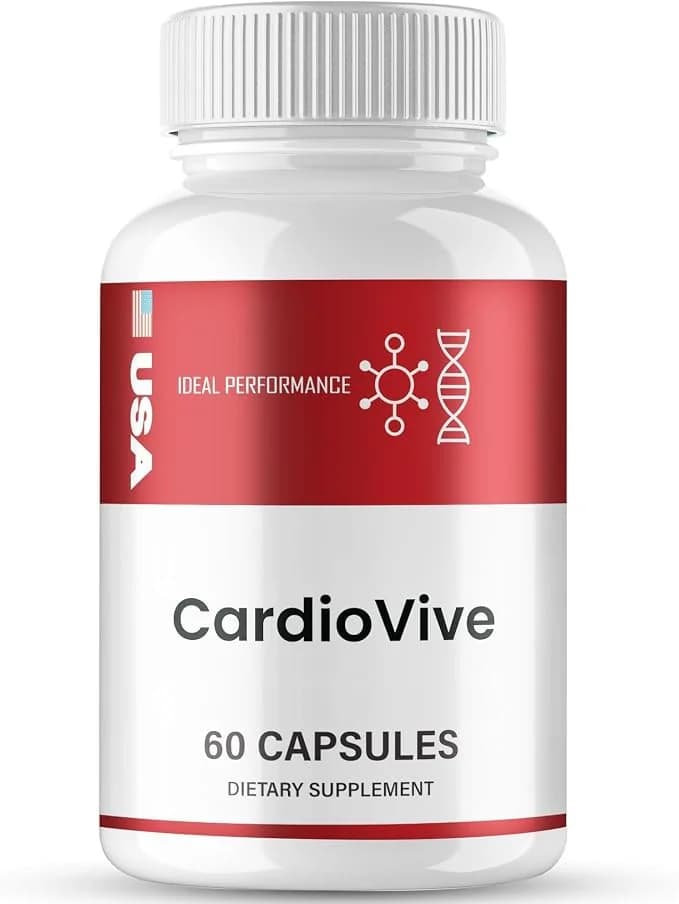
IDEAL PERFORMANCE CardioVive Capsules
-6%
Ideal Performance

IDEAL PERFORMANCE CardioVive Capsules

Rs 8,500Rs 9,000
View Product
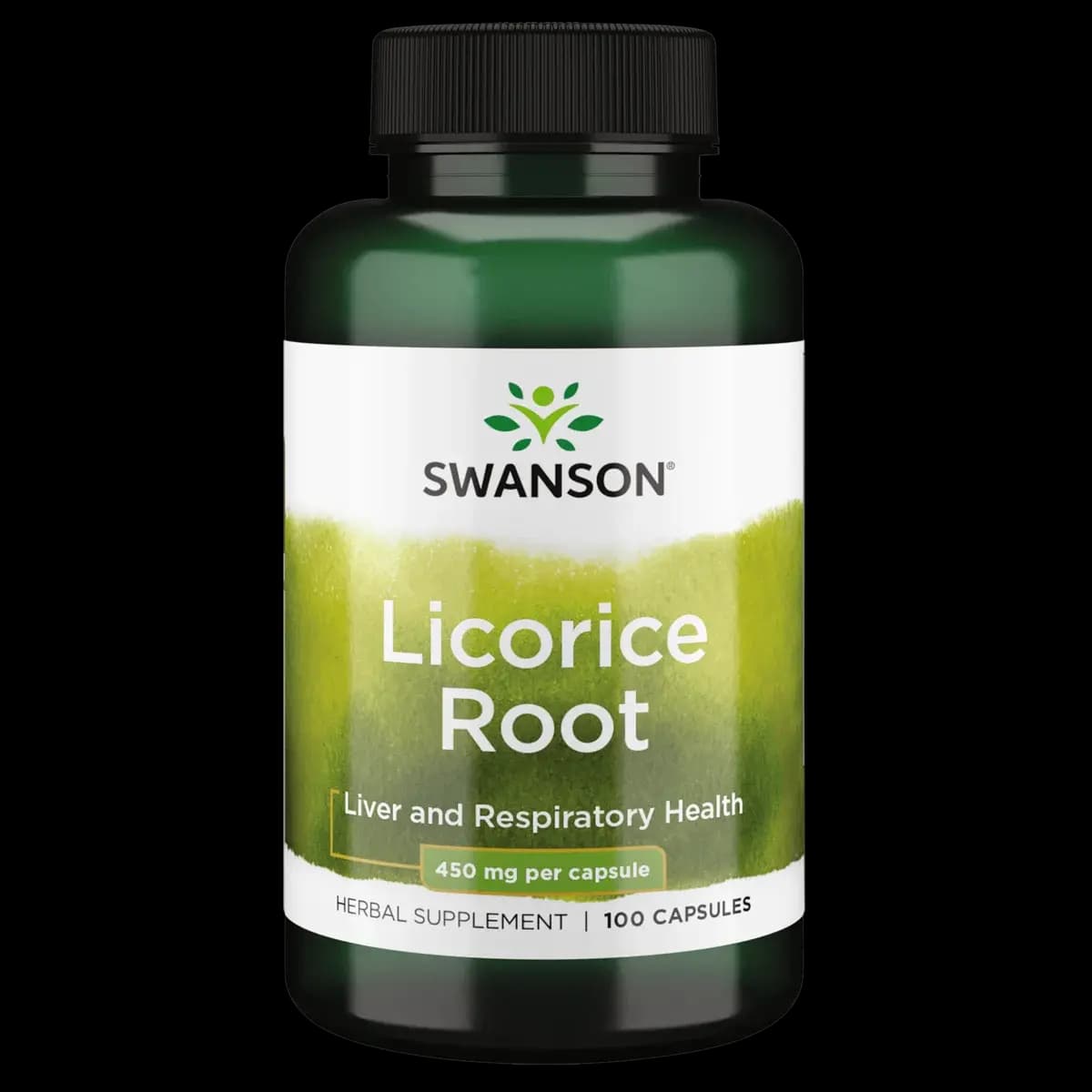
SWANSON Licorice Root capsules
-17%
Swanson

SWANSON Licorice Root capsules

Rs 10,000Rs 12,000
View Product
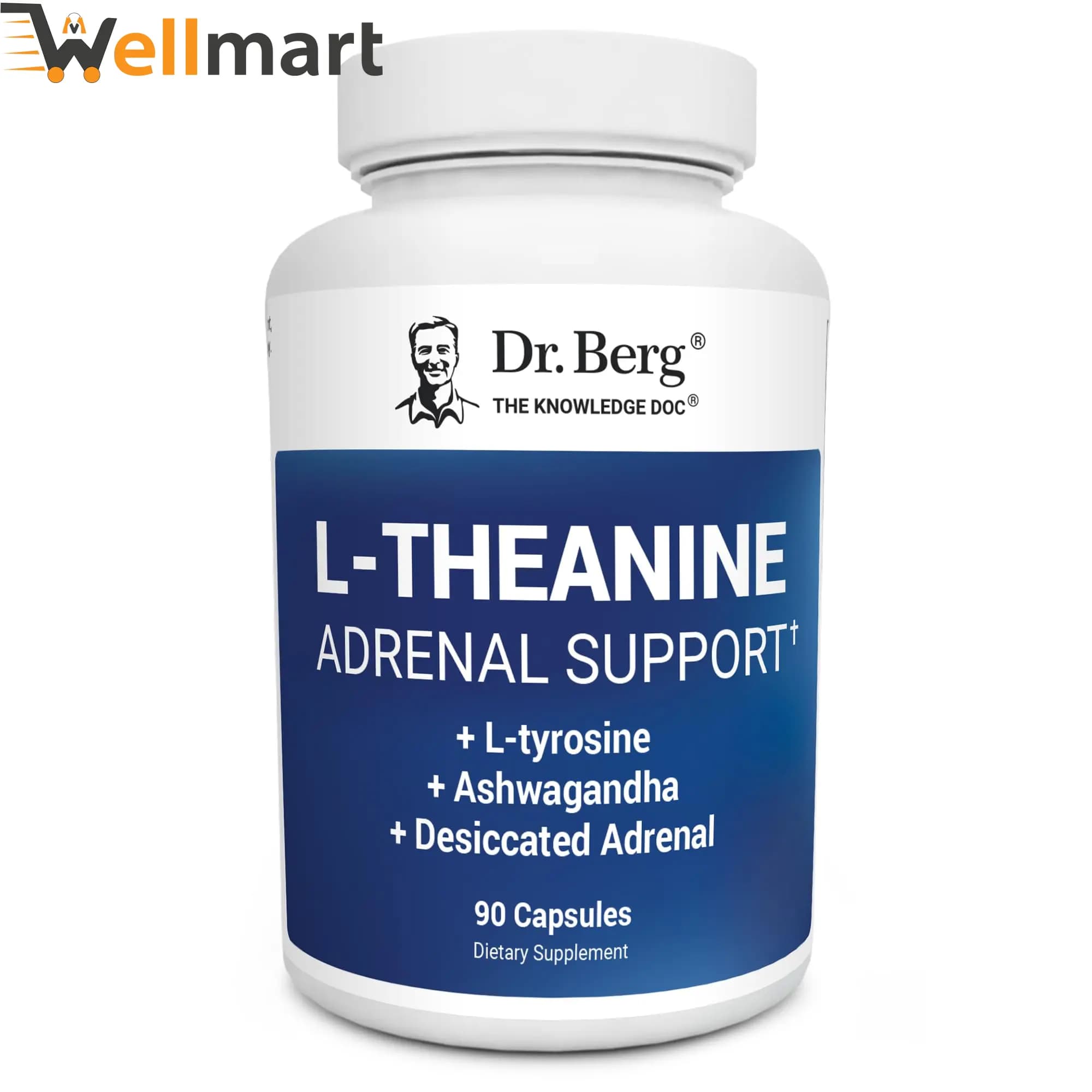
Dr. Berg L-Theanine Adrenal Support Capsules
-7%
Dr. Berg

Dr. Berg L-Theanine Adrenal Support Capsules

Rs 7,000Rs 7,500
View Product
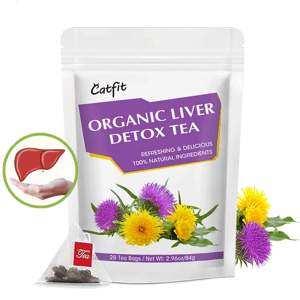
Catfit Milk Thistle Bubble Tea
-20%
Catfit

Catfit Milk Thistle Bubble Tea

Rs 4,000Rs 5,000
View Product
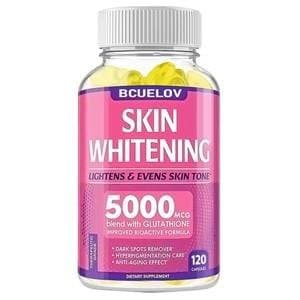
Bcuelov Skin Whitening MCG Capsules
-9%
Bcuelov

Bcuelov Skin Whitening MCG Capsules

Rs 5,000Rs 5,500
View Product
Deep dive

About Licorice Root Powder

Everything you need to know about this ingredient β€” sourced from our editorial team and the brands we work with.

About this ingredient

Licorice Root Powder is produced by drying and finely grinding the roots and rhizomes of licorice plants, particularly Glycyrrhiza glabra. Licorice has a long history in traditional herbal preparations and is also used as a flavoring ingredient in foods, beverages and herbal products.

The whole-root powder naturally contains glycyrrhizin and several flavonoids and other plant compounds. Traditional uses include digestive and respiratory herbal preparations, although evidence for treating specific medical conditions varies and should not be interpreted as proof of disease-treatment effectiveness.

Licorice Root Powder differs from Licorice Root Extract because powder represents the ground plant material, while an extract is concentrated using an extraction process. It should also be distinguished from DGL, which has most glycyrrhizin removed.

Health benefits

  • βœ“πŸŒΏ Provides naturally occurring licorice-root compounds
  • βœ“πŸ§ͺ Contains flavonoids studied for antioxidant activity
  • βœ“πŸƒ Traditionally used in herbal preparations
  • βœ“πŸ§΄ Licorice-derived compounds are studied for selected skincare applications
  • βœ“πŸŒ± Used as a botanical ingredient in food and beverage products
  • βœ“πŸ”¬ Supports research into plant-derived compounds

Common uses

  1. 1🌿 Used in traditional herbal preparations
  2. 2πŸ₯€ Added to selected food and beverage formulations
  3. 3🧴 Used as a botanical ingredient in some cosmetic products
  4. 4πŸ§ͺ Used in botanical research
  5. 5πŸ“‹ Used as an ingredient in selected herbal products
  6. 6🌱 Used in products made from dried and ground licorice root

How it works

Licorice root contains several naturally occurring compounds that have been studied for their biological effects. Glycyrrhizin and its metabolite glycyrrhetinic acid can influence inflammatory pathways and the body's regulation of certain hormones and electrolytes. Licorice flavonoids have demonstrated antioxidant activity in laboratory studies, while some licorice-derived ingredients have been investigated for skin-related applications. These findings do not establish ordinary licorice root powder as a proven treatment for digestive, inflammatory, or skin conditions. The effects depend on the plant source, preparation, amount consumed, and individual health status.

Recommended for

  • β™₯Licorice root powder may interest adults researching traditional herbal ingredients for food, botanical preparations, or selected cosmetic uses. People considering oral use for a health concern should consult a qualified healthcare professional before starting it. Individuals with high blood pressure, heart disease, kidney disease, low potassium levels, or hormone-sensitive conditions should be particularly cautious. Pregnant or breastfeeding individuals should avoid medicinal amounts unless specifically advised by a healthcare professional. People taking diuretics, digoxin, corticosteroids, blood pressure medicines, or other regular medication should seek professional advice before using licorice root powder.

Scientific information

Licorice root powder is prepared from the dried roots of Glycyrrhiza glabra or, depending on the product, other Glycyrrhiza species. Its chemical composition can include glycyrrhizin, glycyrrhetinic acid, liquiritin, isoliquiritin, and other flavonoids. The concentration of these compounds varies with the plant species, growing conditions, processing, and storage. Glycyrrhizin can inhibit the enzyme 11Ξ²-hydroxysteroid dehydrogenase type 2, affecting cortisol metabolism and producing mineralocorticoid-like effects. This may cause sodium and water retention, potassium loss, and elevated blood pressure. Laboratory studies have also investigated licorice flavonoids for antioxidant and skin-related properties, but these findings do not necessarily demonstrate benefits from consuming the powder. Research and safety information for concentrated extracts may not directly apply to every root powder product.

Safety information

Licorice root powder requires particular caution when taken orally because its glycyrrhizin content can vary and may cause high blood pressure, fluid retention, and low potassium levels. Excessive or prolonged consumption can lead to muscle weakness, abnormal heart rhythms, and serious cardiovascular complications. People with hypertension, heart disease, kidney disease, low potassium, or a history of stroke should generally avoid glycyrrhizin-containing licorice products unless a qualified healthcare professional specifically advises otherwise. Licorice may interact with diuretics, digoxin, corticosteroids, blood pressure medicines, and other treatments that affect potassium or fluid balance. Medicinal use should generally be avoided during pregnancy. For topical use, follow the instructions for the specific product and discontinue use if irritation develops. Always check the product source, intended use, and warnings before use.

Possible side effects

  • !Possible side effects of oral licorice root powder include increased blood pressure, swelling, fluid retention, headache, muscle weakness, and low potassium levels. More serious complications can include abnormal heart rhythms, particularly after excessive or prolonged use or when combined with interacting medicines. Some people may experience digestive discomfort or allergic reactions. When used in topical preparations, licorice-derived ingredients may cause redness, itching, or irritation in sensitive skin. Stop using the product and seek medical advice if concerning symptoms occur. Seek urgent medical attention for severe weakness, fainting, chest discomfort, or an irregular heartbeat.

More about this ingredient

Licorice root powder is a traditional herbal ingredient derived from the roots of Glycyrrhiza glabra. It is used in selected herbal preparations, food products, beverages, and cosmetic formulations. Licorice root contains naturally occurring compounds such as glycyrrhizin and flavonoids that have been investigated for digestive, antioxidant, and skin-related properties. However, evidence for specific medical benefits remains limited, and traditional use does not guarantee effectiveness. Consumers searching for licorice root powder in Pakistan should check the botanical name, ingredient purity, intended use, processing method, and manufacturer information. Unlike deglycyrrhizinated licorice (DGL), ordinary licorice root powder may contain glycyrrhizin, which can increase blood pressure and lower potassium levels. This makes the product unsuitable for some people, particularly those with heart or kidney conditions or those taking certain medicines. Wellmart.pk provides ingredient information to help consumers understand herbal products and make informed choices when exploring supplements in Pakistan. Consult a qualified healthcare professional before using licorice root powder medicinally, especially if you have a medical condition, take regular medication, or are pregnant or breastfeeding.
Got questions?

Frequently asked questions

What is licorice root powder?

Licorice root powder is made by drying and grinding the roots of licorice plants, commonly Glycyrrhiza glabra.

What is licorice root powder used for?

It is used in traditional herbal preparations and selected food, beverage, and cosmetic products.

What are the potential benefits of licorice root powder?

Its compounds have been studied for antioxidant, inflammatory, digestive, and skin-related effects, but evidence for specific health benefits varies.

What are the active compounds in licorice root?

Important compounds include glycyrrhizin, glycyrrhetinic acid, liquiritin, and other flavonoids.

Is licorice root powder the same as licorice extract?

No. Powder is ground root material, while an extract is prepared by concentrating selected plant compounds. Their composition and strength may differ.

What is the difference between licorice root powder and DGL?

DGL means deglycyrrhizinated licorice, which has much of the glycyrrhizin removed. Ordinary licorice root powder may contain glycyrrhizin.

Can licorice root powder support digestive health?

Licorice has traditional uses in digestive preparations, but evidence for treating digestive disorders is limited. Persistent symptoms require medical assessment.

Can licorice root powder help with skin concerns?

Some licorice-derived ingredients have been studied for skin pigmentation and other cosmetic applications. Effects depend on the formulation and are not guaranteed.

Can licorice root powder lower blood pressure?

No. Glycyrrhizin-containing licorice can raise blood pressure and cause fluid retention.

Can licorice root powder affect potassium levels?

Yes. Glycyrrhizin can cause potassium loss, potentially leading to weakness and abnormal heart rhythms.
wellmart

Collections

    Help Desk

      Newsletter

      Get early access to drops & deals.

      Β© 2026 Wellmart.