Skip to content
Free nationwide delivery · Cash on Delivery availableFree delivery · COD
DealsAboutContact Orders
wellmart
All products All categories All brands All ingredients
Sign in
HomeShopIngredientsNaturally Occurring Caffeine

Filters

Filters

Category

  • All categories
  • No matches.

Brand

  • No matches.

Max price: any

Availability

Naturally Occurring Caffeine

3 products

Sort
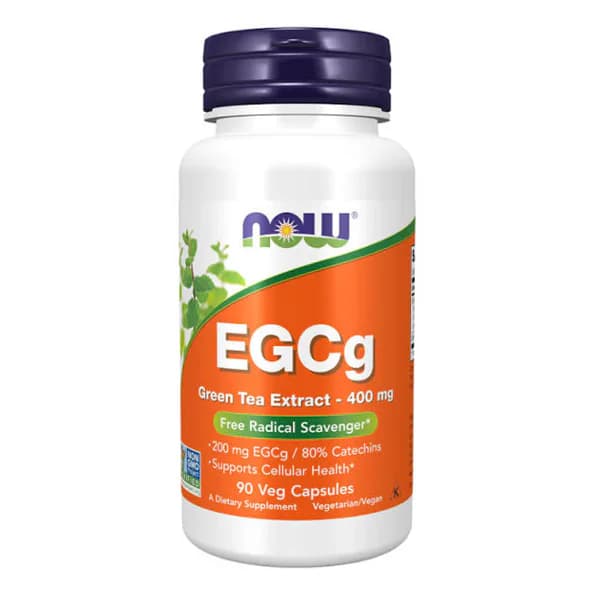
NOW Foods EGCg, Green Tea Extract 90 Veg Capsules
-13%
NOW Foods

NOW Foods EGCg, Green Tea Extract 90 Veg Capsules

Rs 7,000Rs 8,000
View Product
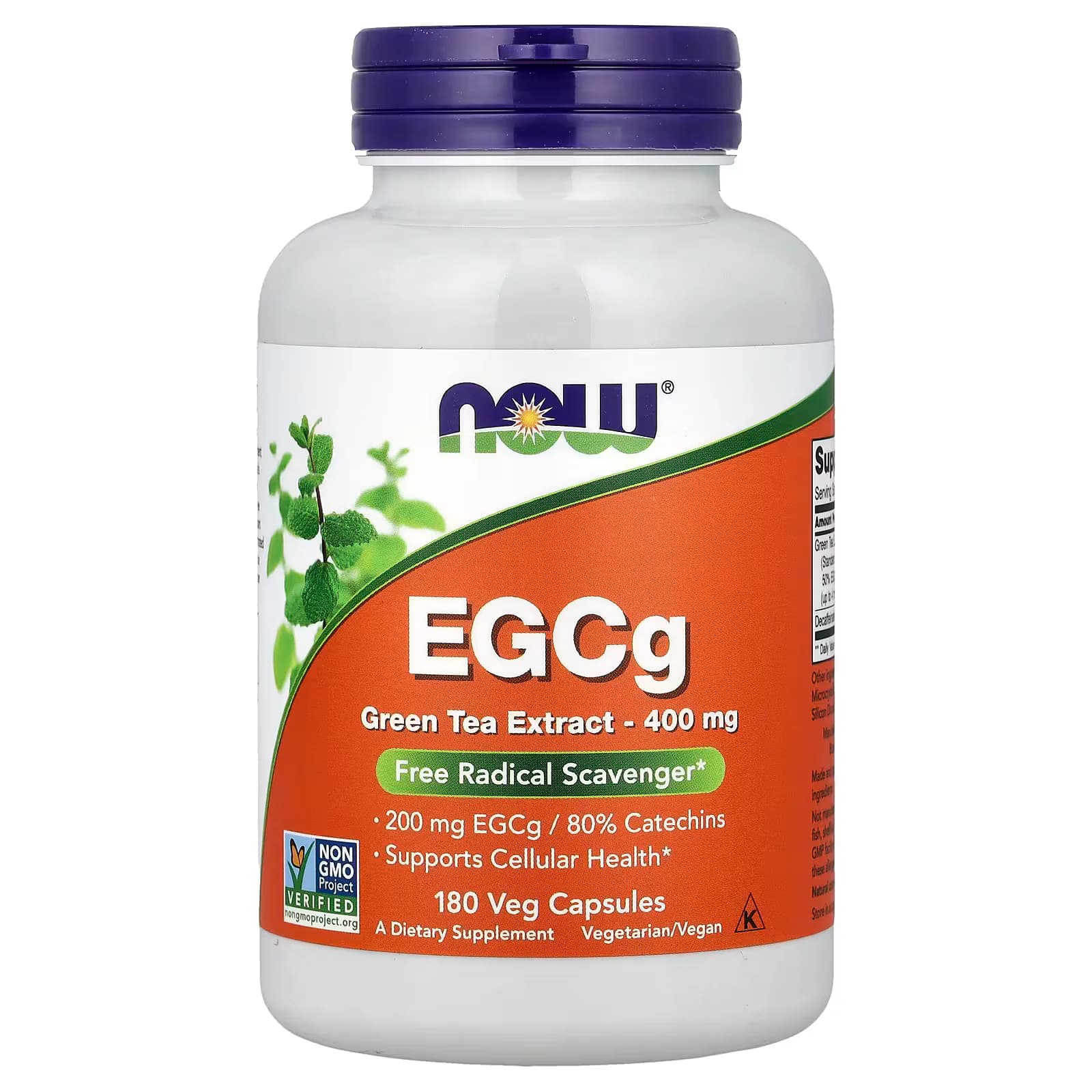
NOW Foods EGCg, Green Tea Extract 180 Veg Capsules
-17%
NOW Foods

NOW Foods EGCg, Green Tea Extract 180 Veg Capsules

Rs 10,000Rs 12,000
View Product
aSquared Nutrition Green Coffee Bean
-20%
aSquared Nutrition

aSquared Nutrition Green Coffee Bean

Rs 4,000Rs 5,000
View Product
Deep dive

About Naturally Occurring Caffeine

Everything you need to know about this ingredient — sourced from our editorial team and the brands we work with.

About this ingredient

Naturally Occurring Caffeine is caffeine that is naturally present in certain plants, including coffee beans, tea leaves, guarana seeds, and yerba mate. Caffeine is a naturally occurring stimulant that primarily affects the central nervous system by blocking adenosine receptors, helping increase alertness and reduce feelings of tiredness.

Naturally occurring caffeine is commonly included in energy drinks, pre-workout supplements, sports nutrition products, focus formulas, and dietary supplements. The amount of caffeine can vary considerably between plant sources and extracts, so product labeling and total daily caffeine intake are important.

Health benefits

  • ✓☕ Temporarily increases alertness
  • ✓⚡ May reduce feelings of fatigue
  • ✓🧠 May support attention and wakefulness
  • ✓🏃 May improve some aspects of exercise performance
  • ✓🌿 Naturally found in several plant sources
  • ✓📚 Helps consumers understand caffeine content in foods and supplements

Common uses

  1. 1☕ Used in coffee and tea beverages
  2. 2🌿 Obtained from botanical sources such as guarana and yerba mate
  3. 3💊 Included in selected dietary supplements
  4. 4🏃 Used in some pre-workout formulas
  5. 5⚡ Included in certain energy products
  6. 6🧪 Studied for effects on alertness and exercise performance

How it works

Caffeine primarily works by blocking adenosine receptors in the brain. Adenosine normally contributes to feelings of sleepiness, so blocking its effects can temporarily increase alertness and make a person feel less tired. Caffeine may also improve attention and exercise performance in some people, depending on the dose, timing, and individual sensitivity. Its effects can last for several hours, and consuming it later in the day may interfere with sleep. The amount of caffeine in natural sources varies considerably depending on the plant, serving size, processing method, and preparation. Naturally sourced caffeine should not be assumed to be safer or more effective than synthetic caffeine simply because it comes from a plant.

Recommended for

  • ♥Naturally occurring caffeine may be relevant to adults who want to understand caffeine intake from coffee, tea, and other plant-based sources, or who are comparing caffeine-containing supplements and energy products. Adults who consume caffeine should consider their total daily intake from all beverages, foods, and supplements. People who are sensitive to stimulants, experience anxiety or sleep difficulties, have certain heart conditions or uncontrolled high blood pressure, or take medicines that may interact with caffeine should consult a healthcare professional. Children and adolescents should generally avoid energy drinks and unnecessary caffeine supplements. Pregnant or breastfeeding individuals should seek professional advice and monitor caffeine intake carefully.

Scientific information

Caffeine is a naturally occurring purine alkaloid with the chemical formula C₈H₁₀N₄O₂. It is present in plants such as Coffea species, Camellia sinensis (tea), Theobroma cacao (cacao), Paullinia cupana (guarana), and Ilex paraguariensis (yerba mate). Caffeine acts mainly as an adenosine receptor antagonist and is absorbed relatively quickly after consumption. Its effects may include increased wakefulness, reduced perceived fatigue, and temporary improvements in attention. Research also supports performance benefits in some forms of exercise, although results depend on the amount consumed and individual factors. Caffeine content varies widely between products, so the botanical source alone does not indicate the dose. Naturally occurring and synthetic caffeine are chemically identical, and their physiological effects are generally expected to be similar at equivalent doses.

Safety information

Caffeine should be consumed in moderation, taking into account individual tolerance, medical conditions, and other sources of caffeine. For most healthy adults, many health authorities cite up to approximately 400 mg per day from all sources as an amount that is generally not associated with adverse effects, but this is not a target for everyone and lower amounts may cause symptoms in sensitive individuals. Pregnant individuals are commonly advised to limit total caffeine to no more than 200 mg per day, subject to guidance from their healthcare professional. Avoid combining multiple caffeine-containing products without calculating the total amount, particularly when using energy drinks, pre-workout formulas, or concentrated powders. Caffeine can interact with certain medicines and may worsen insomnia, anxiety, palpitations, or blood pressure concerns. Concentrated caffeine powders can be especially dangerous because small measuring errors may result in severe poisoning. Keep caffeine supplements away from children and follow the specific product label.

Possible side effects

  • !Possible side effects of caffeine include restlessness, nervousness, anxiety, insomnia, headache, stomach discomfort, nausea, tremors, and a faster heartbeat. Higher intake may cause palpitations, elevated blood pressure, dizziness, or significant agitation. Regular use can lead to tolerance, and sudden reduction may cause withdrawal symptoms such as headache, fatigue, irritability, and difficulty concentrating. Very high doses can cause serious toxicity, including abnormal heart rhythms and seizures. Seek urgent medical assistance if severe symptoms occur after consuming a caffeine-containing product.

More about this ingredient

Naturally occurring caffeine is a popular ingredient in coffee, tea, guarana, yerba mate, and selected dietary supplements. It is widely used for its temporary effects on alertness, wakefulness, and perceived energy. People searching for naturally occurring caffeine, plant-based caffeine sources, caffeine supplements, or energy ingredients in Pakistan should check the actual caffeine amount per serving rather than relying only on the source plant. Caffeine levels vary between beverages, extracts, and supplement formulations, and products containing multiple stimulants may increase the risk of side effects. Although caffeine may improve alertness and some aspects of exercise performance, it can also affect sleep, anxiety, and heart rate. Review the ingredient list, serving instructions, total daily caffeine intake, and manufacturer information before choosing a product. Wellmart.pk provides ingredient information to help consumers make informed decisions when exploring wellness and supplement products in Pakistan.
Got questions?

Frequently asked questions

What is naturally occurring caffeine?

It is caffeine naturally present in plants such as coffee, tea, cacao, guarana, and yerba mate.

What are the main benefits of caffeine?

Caffeine can temporarily increase alertness, reduce perceived fatigue, and improve attention in some people.

Which plants naturally contain caffeine?

Common sources include coffee beans, tea leaves, cacao beans, guarana seeds, and yerba mate leaves.

Is naturally occurring caffeine different from synthetic caffeine?

The caffeine molecule is chemically identical. Differences mainly relate to the source and the other ingredients in the product.

Does naturally occurring caffeine provide energy?

It can make people feel more alert and less tired, but it does not replace sleep or provide calories unless the product contains other energy-yielding ingredients.

Can caffeine improve exercise performance?

Research suggests caffeine may improve certain aspects of exercise performance, but effects vary with dose, timing, activity, and individual tolerance.

How much caffeine can adults consume daily?

Up to about 400 mg per day is commonly cited for most healthy adults, but individual tolerance varies and lower amounts may be appropriate.

Is caffeine safe during pregnancy?

Pregnant individuals are commonly advised to limit total caffeine to 200 mg per day or less, following their healthcare professional's guidance.

Can caffeine affect sleep?

Yes. Caffeine can delay sleep and reduce sleep quality, especially when consumed later in the day.

What are the common side effects of caffeine?

Possible effects include anxiety, restlessness, insomnia, headache, stomach discomfort, tremors, and a faster heartbeat.
wellmart

Collections

    Help Desk

      Newsletter

      Get early access to drops & deals.

      © 2026 Wellmart.