Skip to content
Free nationwide delivery · Cash on Delivery availableFree delivery · COD
DealsAboutContact Orders
wellmart
All products All categories All brands All ingredients
Sign in
HomeShopIngredientsOrganic Acids

Filters

Filters

Category

  • All categories
  • No matches.

Brand

  • No matches.

Max price: any

Availability

Organic Acids

2 products

Sort
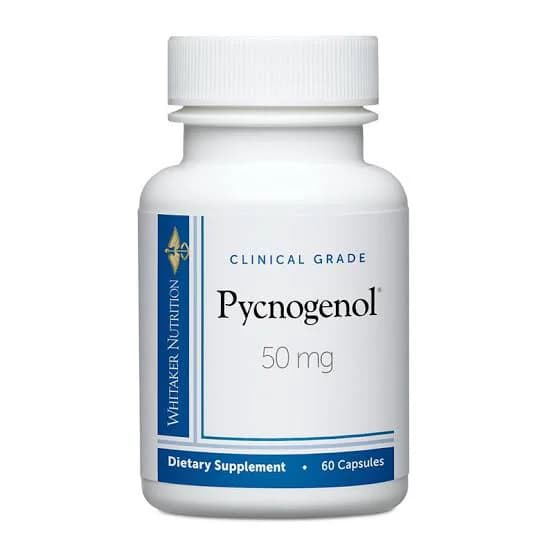
Dr. Whitaker Clinical Grade Pycnogenol 50mg 60 Capsules
-8%
Whitaker Nutrition

Dr. Whitaker Clinical Grade Pycnogenol 50mg 60 Capsules

Rs 6,000Rs 6,500
View Product
NOW Foods Boswellia Extract 90 Softgels
-10%
NOW Foods

NOW Foods Boswellia Extract 90 Softgels

Rs 9,000Rs 10,000
View Product
Deep dive

About Organic Acids

Everything you need to know about this ingredient — sourced from our editorial team and the brands we work with.

About this ingredient

Organic Acids are a broad group of naturally occurring carbon-based compounds found in fruits, vegetables, plants, fermented foods, and other natural sources. Examples include citric acid, malic acid, lactic acid, acetic acid, and tartaric acid.

In nutrition and supplement formulations, organic acids may be used for their natural presence in foods, flavoring and acidity properties, mineral-binding characteristics, or roles in normal metabolic processes. The specific properties and nutritional functions depend on the individual organic acid.

Health benefits

  • ✓🍋 Occur naturally in many fruits and vegetables
  • ✓🧬 Participate in selected biological and metabolic processes
  • ✓🍎 Contribute to the flavor and acidity of foods
  • ✓🥛 Support fermentation processes in selected foods
  • ✓🧪 Help regulate pH in appropriate formulations
  • ✓🥤 Used in selected food and beverage products
  • ✓⚠️ Effects depend on the specific organic acid

Common uses

  1. 1🍋 Used as acidity regulators in food products
  2. 2🥤 Included in selected beverages and nutritional formulations
  3. 3🥛 Used in food fermentation and processing
  4. 4💊 Included in certain supplement and pharmaceutical formulations
  5. 5🧴 Used in selected cosmetic and personal care products
  6. 6🧪 Studied in chemical and metabolic research
  7. 7🏭 Used in various industrial applications

How it works

Organic acids perform different functions depending on their chemical structure. In foods, they contribute acidity, flavor, preservation, and pH regulation. For example, citric acid is involved in the citric acid cycle, an important pathway in cellular energy metabolism, while lactic acid is produced during certain metabolic processes and fermentation. Malic acid occurs naturally in fruits and also participates in cellular metabolism. In food and cosmetic formulations, organic acids may help regulate acidity, stabilize ingredients, or support product performance. However, organic acids are not a single active ingredient, and their biological effects cannot be generalized across the entire group. Any potential nutritional or health benefit depends on the particular compound, amount, source, and intended use.

Recommended for

  • ♥Organic acids are relevant to consumers researching food ingredients, nutritional supplements, fermented foods, and cosmetic formulations. People seeking dietary sources can obtain various organic acids naturally from fruits, vegetables, yogurt, and other fermented foods. Manufacturers may use specific organic acids for acidity regulation, flavor, preservation, or formulation purposes. Individuals considering concentrated organic acid supplements should identify the exact compound and consult a qualified healthcare professional when appropriate. People with acid reflux, sensitive teeth, digestive conditions, kidney disease, or other relevant medical conditions should consider the specific product and seek professional advice before using concentrated formulations. Organic acids should not be treated as interchangeable ingredients or as general-purpose treatments for medical conditions.

Scientific information

Organic acids are organic compounds that possess one or more acidic functional groups, commonly carboxyl groups. Their chemical properties vary according to molecular structure, acidity, solubility, and the presence of other functional groups. Examples include citric acid (C₆H₈O₇), malic acid (C₄H₆O₅), lactic acid (C₃H₆O₃), acetic acid (C₂H₄O₂), and tartaric acid (C₄H₆O₆). These compounds occur in plants, microorganisms, foods, and biological fluids. Some participate in metabolic pathways, while others are important in fermentation, food preservation, and industrial processing. The term “organic acids” describes a broad chemical category rather than a specific nutritional ingredient. Scientific evidence and safety assessments must therefore be considered separately for each compound and application.

Safety information

The safety of organic acids depends on the particular substance, concentration, route of exposure, and intended use. Organic acids present naturally in ordinary foods are generally safe for most people when consumed as part of a balanced diet. Concentrated acids, however, can irritate the mouth, digestive tract, eyes, or skin, and some formulations may damage tooth enamel when used frequently or incorrectly. Products intended for industrial, laboratory, cosmetic, or topical use must not be assumed suitable for ingestion. People with acid-sensitive digestive conditions, kidney disorders, or other relevant medical concerns should consult a healthcare professional before using concentrated products for health purposes. Always check the ingredient label, purity, concentration, directions, and manufacturer safety information. Use each organic acid only for its specified purpose.

Possible side effects

  • !Possible adverse effects depend on the specific organic acid and its concentration. Concentrated acidic products may cause stomach discomfort, nausea, irritation of the mouth or digestive tract, or worsening of acid reflux in susceptible individuals. Frequent exposure to acidic beverages or preparations may contribute to dental enamel erosion. Topical formulations may cause stinging, redness, dryness, or irritation, particularly on sensitive or damaged skin. Severe exposure to concentrated acids can cause chemical burns or serious injury. Stop using a product if persistent irritation develops and seek medical advice when necessary. Seek urgent medical attention following significant exposure, severe pain, difficulty swallowing, or suspected chemical injury.

More about this ingredient

Organic acids are a broad group of naturally occurring compounds found in fruits, vegetables, fermented foods, and living organisms. Common examples include citric acid, malic acid, lactic acid, acetic acid, and tartaric acid. These ingredients are widely used in food processing, nutritional products, cosmetics, and pharmaceutical formulations because of their acidity, chemical properties, and specific functional roles. People searching for organic acids benefits, organic acids uses, organic acid supplements, or organic acid ingredients in Pakistan should identify the exact compound rather than treating all organic acids as the same ingredient. Their uses, health effects, and safety requirements vary considerably. When choosing a product, check its chemical name, concentration, intended application, ingredient list, and manufacturer information. Wellmart.pk provides educational ingredient information to help consumers understand nutritional and wellness products available in Pakistan.
Got questions?

Frequently asked questions

What are organic acids?

Organic acids are carbon-containing compounds with acidic properties that occur naturally in foods, plants, microorganisms, and living organisms.

What are common examples of organic acids?

Common examples include citric acid, malic acid, lactic acid, acetic acid, tartaric acid, and fumaric acid.

What are organic acids used for?

They are used in food production, fermentation, preservation, acidity regulation, cosmetics, pharmaceutical formulations, and scientific research.

Are organic acids naturally found in foods?

Yes. They occur naturally in fruits, vegetables, fermented foods, and many other food sources.

What are the potential benefits of organic acids?

Their functions vary by compound. Some participate in metabolism, while others contribute to food flavor, preservation, or formulation performance.

Are all organic acids the same?

No. Each organic acid has a different chemical structure, function, and safety profile.

What is citric acid?

Citric acid is a naturally occurring organic acid found in citrus fruits and is also involved in the body's energy metabolism.

What is malic acid?

Malic acid is an organic acid found in apples and other fruits that also participates in cellular metabolic processes.

What is lactic acid?

Lactic acid is an organic acid produced during fermentation and certain metabolic processes. It is also used in selected food and cosmetic products.

Do organic acids help with digestion?

The effects depend on the specific compound and formulation. Organic acids should not be assumed to improve digestion or treat digestive disorders as a group.
wellmart

Collections

    Help Desk

      Newsletter

      Get early access to drops & deals.

      © 2026 Wellmart.