Skip to content
Free nationwide delivery Β· Cash on Delivery availableFree delivery Β· COD
DealsAboutContact Orders
wellmart
All products All categories All brands All ingredients
Sign in
HomeShopIngredientsEgcg Epigallocatechin Gallate

Filters

Filters

Category

  • All categories
  • No matches.

Brand

  • No matches.

Max price: any

Availability

Egcg Epigallocatechin Gallate

5 products

Sort
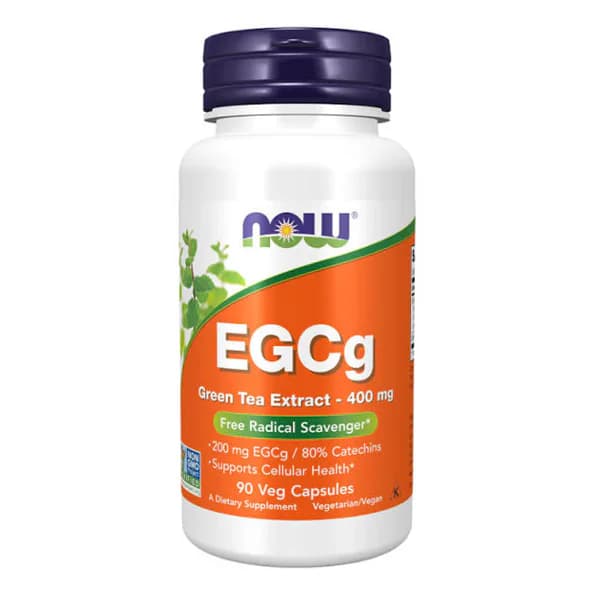
NOW Foods EGCg, Green Tea Extract 90 Veg Capsules
-13%
NOW Foods

NOW Foods EGCg, Green Tea Extract 90 Veg Capsules

Rs 7,000Rs 8,000
View Product
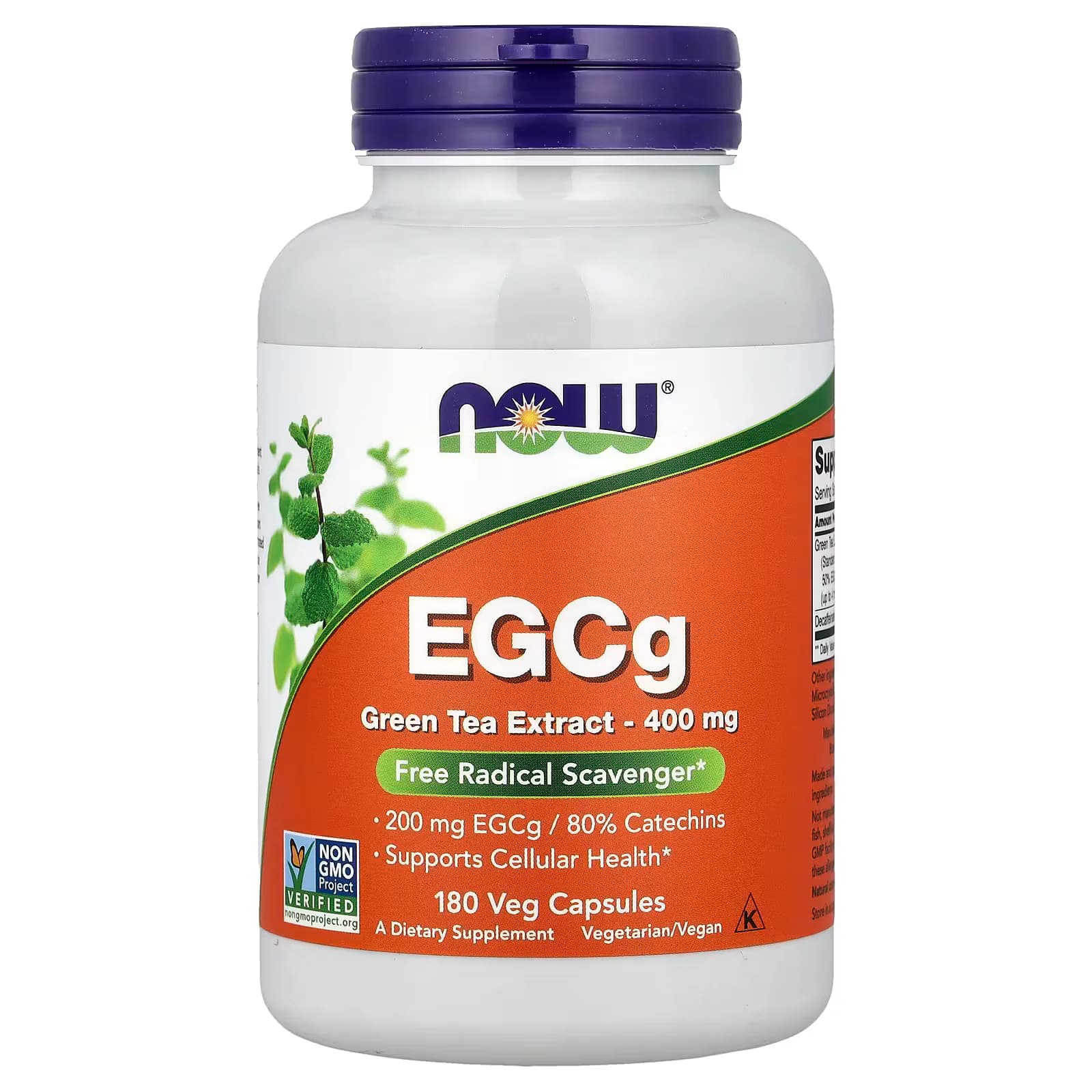
NOW Foods EGCg, Green Tea Extract 180 Veg Capsules
-17%
NOW Foods

NOW Foods EGCg, Green Tea Extract 180 Veg Capsules

Rs 10,000Rs 12,000
View Product
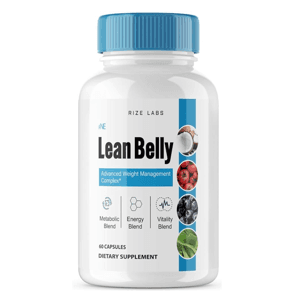
Rize Labs Ikaria Lean Belly Capsule
-17%
Rize Labs

Rize Labs Ikaria Lean Belly Capsule

Rs 5,000Rs 6,000
View Product
Nobi Nutrition Green Tea Fat Burner Capsule
-17%
Nobi Nutrition

Nobi Nutrition Green Tea Fat Burner Capsule

Rs 5,000Rs 6,000
View Product
aSquared Nutrition Green Coffee Bean
-20%
aSquared Nutrition

aSquared Nutrition Green Coffee Bean

Rs 4,000Rs 5,000
View Product
Deep dive

About EGCg (Epigallocatechin Gallate)

Everything you need to know about this ingredient β€” sourced from our editorial team and the brands we work with.

About this ingredient

EGCg (Epigallocatechin Gallate), commonly written as EGCG, is one of the major catechins found naturally in green tea from Camellia sinensis. It is a polyphenolic compound and is responsible for a significant portion of the research interest surrounding green tea's antioxidant and biological properties.

EGCG is commonly obtained from green tea leaves or standardized green tea extracts and is used in dietary supplements, functional foods and beverages. Research has investigated EGCG and green tea catechins in areas including oxidative stress, cardiovascular health, cholesterol, metabolic function and healthy weight management. However, evidence varies by health outcome and formulation, and EGCG should not be presented as a treatment for disease.

EGCG is particularly relevant to supplement formulations because concentrated green tea extracts can provide substantially higher catechin exposure than drinking ordinary green tea. Product labels should therefore clearly identify the green tea extract amount, EGCG/catechin standardization and caffeine content.

Health benefits

  • βœ“πŸƒ Naturally occurs in green tea
  • βœ“πŸ›‘οΈ Studied for antioxidant activity
  • βœ“πŸ”¬ Investigated for effects on oxidative stress
  • βœ“β€οΈ Researched for possible effects on cardiovascular health markers
  • βœ“βš–οΈ Studied for potential effects on metabolism
  • βœ“πŸ§ͺ Investigated for its role in cellular signaling
  • βœ“βš οΈ Many health benefits remain unproven in humans.

Common uses

  1. 1πŸ’Š Included in some green tea extract supplements
  2. 2πŸƒ Used as an ingredient in antioxidant-support products
  3. 3πŸ§ͺ Studied in research on polyphenols and oxidative stress
  4. 4βš–οΈ Investigated in weight-management research
  5. 5❀️ Researched for possible metabolic and cardiovascular effects
  6. 6πŸ“š Used in scientific studies of green tea compounds.

How it works

EGCG is a polyphenol that can interact with various biological pathways in the body. Laboratory research suggests that it may help neutralize certain free radicals and influence processes related to oxidative stress, inflammation, and cellular signaling. Researchers have also studied its possible effects on fat metabolism, glucose regulation, and cardiovascular health. However, these mechanisms do not automatically translate into proven health benefits in humans. The amount absorbed by the body varies with the formulation, dose, food intake, and individual factors. Concentrated EGCG supplements can produce much higher exposures than drinking green tea, which is why supplement safety requires special attention.

Recommended for

  • β™₯EGCG may interest adults researching green tea compounds and antioxidant ingredients found in dietary supplements. People who already drink green tea may obtain catechins through their diet without needing a concentrated supplement. Anyone considering EGCG supplements should review the ingredient concentration and serving instructions carefully. People with liver disease, those taking regular medicines, and individuals with chronic medical conditions should consult a healthcare professional before use. Pregnant or breastfeeding individuals should seek professional advice, particularly before using concentrated green tea extracts. EGCG should not be used as a replacement for prescribed treatment or as a guaranteed method for weight loss or disease prevention.

Scientific information

Epigallocatechin gallate, commonly abbreviated as EGCG, is a flavan-3-ol belonging to the catechin family of polyphenols. It is naturally present in green tea leaves and is often studied as a major bioactive compound in green tea extracts. EGCG has demonstrated antioxidant activity in laboratory experiments and has been investigated for its effects on inflammatory signaling, metabolic pathways, and cellular processes. Human studies have explored its possible role in weight management, blood glucose regulation, and cardiovascular markers, but results vary and effects are often modest or uncertain. EGCG absorption and metabolism differ between individuals, and concentrated extracts may have different safety profiles from brewed tea. Current research does not establish EGCG as a treatment for cancer, diabetes, obesity, or other diseases.

Safety information

EGCG safety depends on the dose, formulation, duration of use, and individual health circumstances. Concentrated green tea extracts containing EGCG have been associated with rare cases of liver injury, and the risk may be greater when supplements are taken in high amounts or on an empty stomach. People with existing liver problems should consult a healthcare professional before considering these products. EGCG may also affect how certain medicines are absorbed or processed, so anyone taking prescription medication should ask a doctor or pharmacist about potential interactions. Pregnant or breastfeeding individuals should seek professional advice before using concentrated extracts. Follow the product label, do not exceed the recommended serving, and stop use and seek medical advice if symptoms such as dark urine, yellowing of the skin or eyes, unusual fatigue, or persistent nausea occur.

Possible side effects

  • !Possible side effects of EGCG supplements include nausea, stomach discomfort, abdominal pain, and digestive upset. Products that also contain caffeine may cause jitteriness, anxiety, a rapid heartbeat, or sleep difficulties in sensitive individuals. Concentrated green tea extracts have also been linked to rare but potentially serious liver injury. Warning signs can include unusual tiredness, loss of appetite, persistent nausea, dark urine, or yellowing of the skin or eyes. These symptoms require prompt medical assessment. Side effects vary depending on the product, concentration, amount taken, and personal sensitivity. Stop using the supplement and seek medical advice if concerning symptoms develop.

More about this ingredient

EGCG (Epigallocatechin Gallate) is a green tea compound widely researched for its antioxidant properties and potential role in general wellness. Found naturally in Camellia sinensis, EGCG is commonly used in green tea extract supplements marketed for antioxidant support, metabolism, and weight management. Scientific studies have investigated its relationship to oxidative stress, inflammation, and metabolic health, but strong evidence for many claimed benefits remains limited. Concentrated EGCG supplements are not the same as drinking green tea and may carry a risk of liver injury, particularly at high doses or when taken on an empty stomach. If you are searching for EGCG supplements in Pakistan, review the amount of EGCG per serving, other ingredients, manufacturer details, warnings, and expiry date. Consult a healthcare professional before use if you have a medical condition or take medication. Wellmart.pk provides educational information about ingredients and supplements in Pakistan to support informed product choices.
Got questions?

Frequently asked questions

What is EGCG?

EGCG stands for Epigallocatechin Gallate. It is a natural polyphenol found in green tea.

What is EGCG found in?

EGCG is found mainly in green tea made from the leaves of Camellia sinensis. It is also available in concentrated green tea extract supplements.

What is EGCG used for?

It is commonly included in supplements marketed for antioxidant support and general wellness, although many proposed health benefits are not firmly established.

What are the potential benefits of EGCG?

EGCG has been studied for antioxidant activity and possible effects on metabolic and cardiovascular health markers. Evidence of meaningful health benefits in humans remains mixed.

Is EGCG an antioxidant?

Yes. EGCG demonstrates antioxidant activity in laboratory studies. The extent of its effects in the human body depends on absorption, dose, and other factors.

Can EGCG help with weight loss?

EGCG has been investigated for its possible effects on metabolism and weight management, but results are inconsistent. It should not be considered a reliable standalone weight-loss treatment.

How does EGCG work?

It interacts with biological pathways studied in relation to oxidative stress, inflammation, and cellular signaling. These effects do not establish that EGCG supplements prevent or treat disease.

Is EGCG the same as green tea extract?

No. EGCG is one compound found in green tea. Green tea extract contains EGCG along with other catechins and plant compounds, depending on how it is produced.

Is EGCG naturally present in green tea?

Yes. EGCG is one of the naturally occurring catechins in green tea leaves.

Does EGCG contain caffeine?

Pure EGCG itself is not caffeine. However, green tea extract supplements may contain caffeine, so check the product label.

Can EGCG support heart health?

Researchers have studied EGCG and green tea for possible effects on cardiovascular health markers, but evidence is not sufficient to recommend EGCG supplements as a treatment for heart disease.

Can EGCG help control blood sugar?

Some research has explored possible effects on glucose metabolism, but results are mixed. EGCG should not replace diabetes medication or professional care.

What are the side effects of EGCG supplements?

Possible effects include nausea, stomach discomfort, and abdominal pain. Concentrated green tea extracts have also been associated with rare cases of liver injury.

Can EGCG damage the liver?

Yes. Concentrated green tea extract supplements have been linked to rare but serious liver injury. Risk may be higher with large amounts or use on an empty stomach.

Is EGCG safe to take every day?

Safety depends on the concentration, dose, product, and individual health. There is no single daily amount suitable for everyone. Follow product instructions and consult a healthcare professional before regular use.
wellmart

Collections

    Help Desk

      Newsletter

      Get early access to drops & deals.

      Β© 2026 Wellmart.