Skip to content
Free nationwide delivery Β· Cash on Delivery availableFree delivery Β· COD
DealsAboutContact Orders
wellmart
All products All categories All brands All ingredients
Sign in
HomeShopIngredientsL Methionine

Filters

Filters

Category

  • All categories
  • No matches.

Brand

  • No matches.

Max price: any

Availability

L Methionine

6 products

Sort
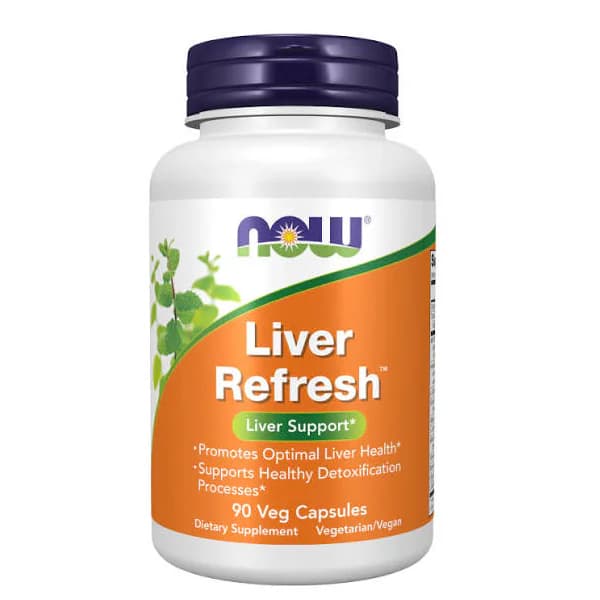
NOW Foods Liver Refresh Veg Capsules
-31%
NOW Foods

NOW Foods Liver Refresh Veg Capsules

Rs 5,200Rs 7,500
View Product
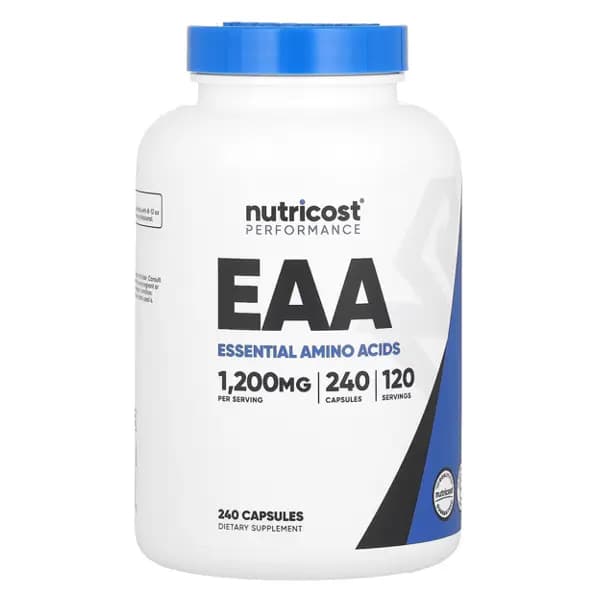
Nutricost Performance EAA 1200 Mg Capsules
-17%
Nutricost

Nutricost Performance EAA 1200 Mg Capsules

Rs 8,500Rs 10,250
View Product
Laperva Liver Support Capsules
-15%
Laperva

Laperva Liver Support Capsules

Rs 5,500Rs 6,500
View Product
Balincer Capsules Support Triple Strength Joints
-8%
Balincer

Balincer Capsules Support Triple Strength Joints

Rs 11,000Rs 12,000
View Product
Balincer Joint Support Advanced Formulation Capsules
-13%
Balincer

Balincer Joint Support Advanced Formulation Capsules

Rs 7,000Rs 8,000
View Product
Balincer Glucosamine Chondroitin Msm
-9%
Balincer

Balincer Glucosamine Chondroitin Msm

Rs 5,000Rs 5,500
View Product
Deep dive

About L-Methionine

Everything you need to know about this ingredient β€” sourced from our editorial team and the brands we work with.

About this ingredient

L-Methionine is an essential sulfur-containing amino acid required for normal protein synthesis and several important metabolic processes. It serves as a precursor to S-adenosyl-L-methionine (SAMe) and contributes to methylation reactions involved in cellular metabolism.

Methionine can also be converted through metabolic pathways to homocysteine and subsequently to cysteine. Through these pathways, it is connected with sulfur metabolism and the production of compounds involved in antioxidant systems.

L-Methionine is naturally found in protein-rich foods such as meat, fish, eggs, dairy products, nuts, seeds and legumes. It is also used in amino-acid supplements, essential-amino-acid blends, sports-nutrition products and specialized nutritional formulations.

Health benefits

  • βœ“πŸ§¬ Supports normal protein synthesis
  • βœ“πŸ’ͺ Contributes to tissue maintenance and growth
  • βœ“βš—οΈ Participates in sulfur-amino-acid metabolism
  • βœ“πŸ”¬ Supports the body's production of S-adenosylmethionine
  • βœ“πŸ₯š Helps meet essential amino acid requirements when dietary intake is insufficient
  • βœ“πŸ§ͺ Used in selected nutritional and amino acid formulations

Common uses

  1. 1πŸ’Š Used in selected amino acid supplements
  2. 2🧬 Included in nutritional formulations
  3. 3πŸ₯€ Added to some protein and amino acid blends
  4. 4🍽️ Used to help address specific nutritional needs under professional guidance
  5. 5πŸ§ͺ Used as an ingredient in nutritional product manufacturing
  6. 6πŸ“‹ Included in selected specialized dietary formulas

How it works

L-Methionine is incorporated into proteins and helps support normal cell structure, tissue maintenance, and growth. It also participates in methylation reactions through its conversion into S-adenosylmethionine (SAMe), which helps transfer methyl groups involved in various processes, including the metabolism of certain compounds. Methionine contributes to the body's sulfur-containing metabolic pathways and can be converted into other compounds, including cysteine, through normal metabolism. The body requires an appropriate balance of essential amino acids to maintain normal protein production. Although methionine is necessary for health, taking extra amounts does not automatically improve metabolism or overall wellness, particularly when dietary protein intake is already sufficient.

Recommended for

  • β™₯L-Methionine may be relevant to adults interested in understanding essential amino acids or using a nutritional product recommended by a qualified healthcare professional. It may be included in amino acid blends and specialized nutritional formulations. People following restrictive diets should assess their total protein and essential amino acid intake rather than relying on a single supplement. Individuals with liver disease, kidney disease, disorders affecting sulfur-amino-acid metabolism, or other chronic medical conditions should consult a healthcare professional before using concentrated methionine supplements. Pregnant or breastfeeding individuals, children, and people taking regular medication should also seek professional advice before supplementation.

Scientific information

L-Methionine is a proteinogenic essential amino acid containing sulfur, with the molecular formula Cβ‚…H₁₁NOβ‚‚S. It is required for protein synthesis and serves as a precursor to S-adenosylmethionine, a major methyl-group donor in human metabolism. Methionine is also involved in pathways that produce homocysteine and cysteine. Because homocysteine levels are influenced by methionine metabolism, high methionine intake may affect homocysteine concentrations in some circumstances. Methionine requirements depend on age, body weight, overall protein intake, and physiological needs. Foods containing complete protein generally provide methionine along with other essential amino acids. Although methionine has important biological functions, evidence does not establish routine high-dose supplementation as beneficial for every healthy adult.

Safety information

L-Methionine is an essential nutrient, but concentrated supplements should be used carefully and according to the product label or professional advice. Excessive intake may disturb amino acid balance and can increase homocysteine levels in some circumstances. People with liver or kidney disease, elevated homocysteine, or inherited metabolic conditions affecting methionine processing should seek medical advice before use. Pregnant or breastfeeding individuals and parents considering methionine supplements for children should consult a qualified healthcare professional. If you take prescription medicines or have a chronic medical condition, ask a healthcare professional or pharmacist to review the supplement before starting it. A balanced diet containing adequate protein is generally the preferred way to meet essential amino acid needs.

Possible side effects

  • !Possible side effects of L-Methionine supplements may include nausea, vomiting, abdominal discomfort, or other digestive symptoms, especially when large amounts are taken. Excessive intake may affect homocysteine metabolism and can be a concern for people with certain cardiovascular or metabolic risk factors. The risk depends on the dose, duration of use, dietary intake, and individual health status. People with existing liver or kidney conditions may require particular caution. Stop using the supplement and seek medical advice if persistent or concerning symptoms develop. Seek urgent medical care for severe or unusual reactions.

More about this ingredient

L-Methionine is an essential amino acid used by the body for protein synthesis, tissue maintenance, and important metabolic processes. As a sulfur-containing amino acid, it contributes to the production of S-adenosylmethionine (SAMe) and participates in pathways related to other sulfur-containing compounds. Consumers searching for L-Methionine supplements in Pakistan should review the amount per serving, ingredient list, product directions, quality information, and manufacturer details before purchasing. Methionine is naturally available in protein-rich foods such as eggs, meat, fish, dairy products, nuts, seeds, and legumes. Supplementation is not necessary for everyone, and taking high doses may be inappropriate for some individuals. Wellmart.pk provides ingredient information to help consumers understand amino acid supplements and make informed choices. Consult a qualified healthcare professional before using concentrated methionine supplements, especially if you have a medical condition or take regular medication.
Got questions?

Frequently asked questions

What is L-Methionine?

L-Methionine is an essential sulfur-containing amino acid needed for protein synthesis and normal metabolic functions.

What does L-Methionine do in the body?

It supports protein production and participates in metabolic pathways that produce other important compounds.

Why is methionine called an essential amino acid?

The body cannot produce enough methionine to meet its needs, so it must come from food or supplements.

Which foods contain methionine?

Sources include eggs, fish, meat, dairy products, nuts, seeds, and legumes.

What are the potential benefits of L-Methionine?

It supplies an amino acid needed for protein synthesis and several normal metabolic processes. Benefits from supplementation depend on individual nutritional needs.

Is L-Methionine a sulfur-containing amino acid?

Yes. Methionine contains sulfur and contributes to important sulfur-related metabolic pathways.

What is S-adenosylmethionine (SAMe)?

SAMe is a compound produced from methionine that participates in methylation reactions throughout the body.

Is L-Methionine the same as methionine?

L-Methionine is the naturally used L-form of methionine, which is commonly discussed in human nutrition.

Can L-Methionine support muscle growth?

Methionine contributes to protein synthesis, but muscle growth also depends on total protein intake, exercise, energy intake, and other factors.

Is L-Methionine available as a supplement?

Yes. It is used in selected amino acid supplements and specialized nutritional formulations.

Can everyone take L-Methionine supplements?

No. Suitability depends on health status, diet, medications, and the amount used. Some people need professional guidance.

What are the side effects of L-Methionine?

Possible side effects include nausea, vomiting, abdominal discomfort, and other digestive symptoms.
wellmart

Collections

    Help Desk

      Newsletter

      Get early access to drops & deals.

      Β© 2026 Wellmart.